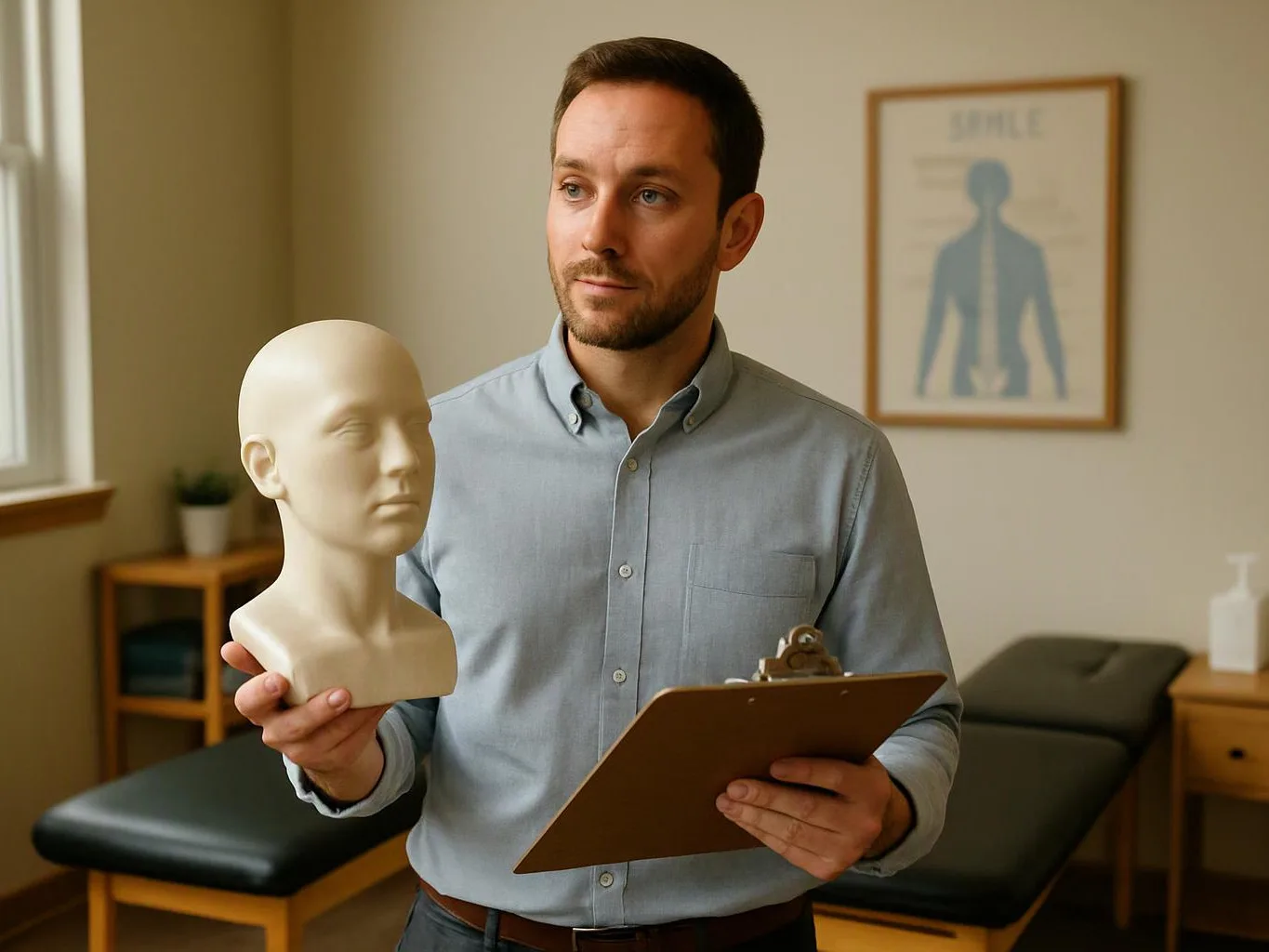
Posture Correction and Chiropractic Care: Goals and Progress
Posture correction and chiropractic care can work together to address movement, alignment, and musculoskeletal factors. At Arrowhead Clinic Chiropractor Garden City, we assess posture, provide appropriate chiropractic adjustments, recommend complementary exercises, and track functional progress without promising a fixed outcome.
Request an Estimate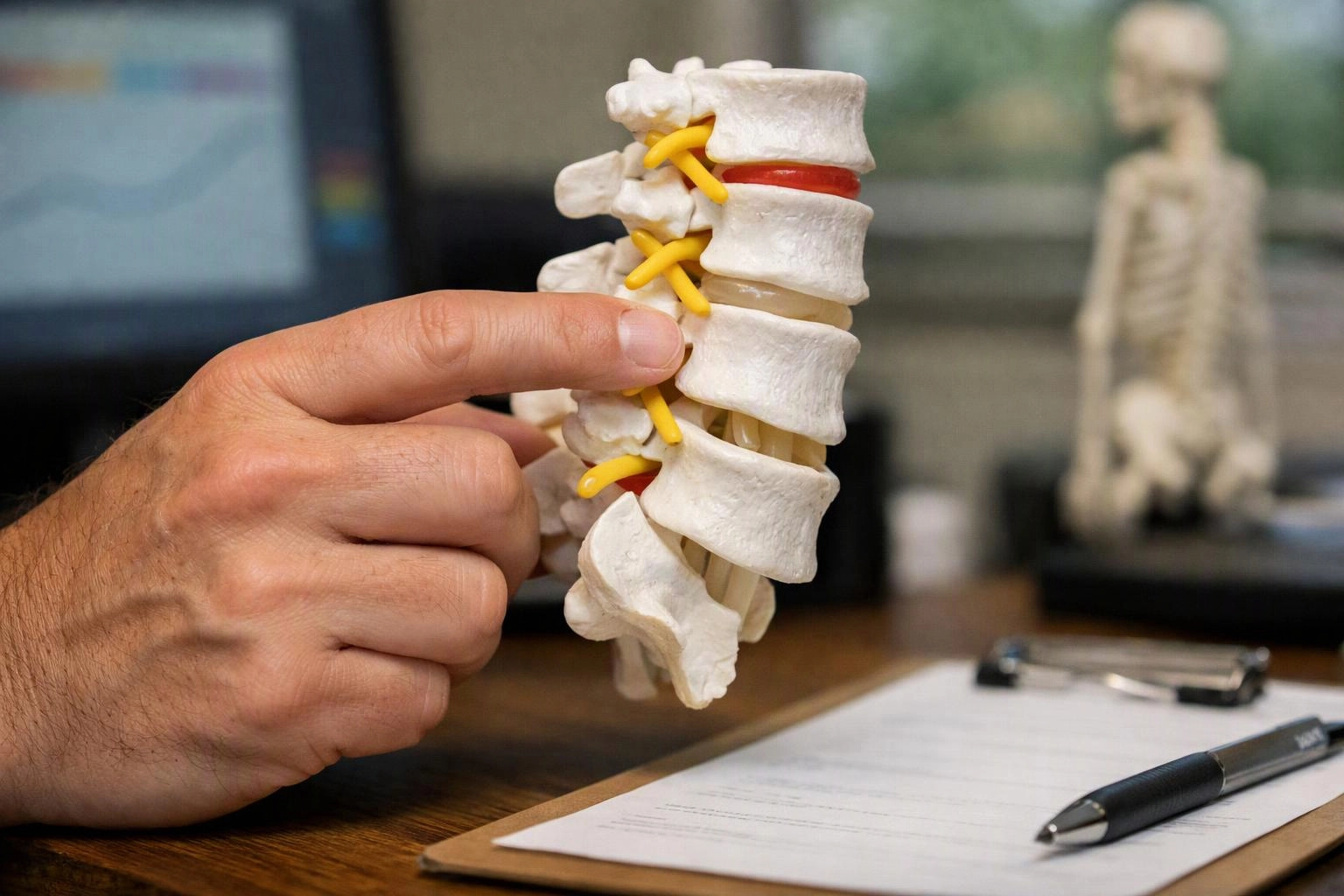
Can Chiropractic Care Help Improve Posture?
Yes, chiropractic care can support posture improvement when restricted movement, joint mechanics, or related musculoskeletal factors contribute to the posture concern.
Chiropractic care does not force the spine into a fixed position. We look at spinal alignment, movement patterns, joint function, and muscle balance to understand what may be influencing forward head posture, rounded shoulders, or other alignment concerns.
Our team uses the assessment findings to guide care that fits your movement needs. When appropriate, we may combine an adjustment with mobility work, strengthening exercises, and practical changes to movement habits.
When Posture Correction and Chiropractic Adjustments Work Together
Posture correction and chiropractic adjustments can work together when both joint movement and daily movement habits affect alignment. We connect the adjustment plan to the functional goal identified during the movement assessment.
Combined care may be useful in situations such as these:
The two services can also connect in a planned sequence:
For more detail about the hands-on portion of care, see our Chiropractic Adjustment service page.
What We Check During a Posture Assessment
A posture assessment reviews alignment, movement, range of motion, and daily habits so we can connect visible posture patterns with functional concerns.
We observe standing posture and seated posture, then consider how the neck, spine, shoulders, pelvis, and joints move. We also ask about movement habits that may affect spinal mobility, body awareness, or comfort during daily activities.
Visible alignment is only one part of the assessment. Our team considers how posture changes during functional movement and whether the range of motion is different from one side to the other.
How We Connect Assessment Findings to Care
- Health history: We review relevant concerns, daily demands, and movement habits.
- Postural observation: We examine standing and seated alignment without treating appearance as the only goal.
- Functional movement shows how the spine and joints respond during controlled tasks.
- We decide whether a chiropractic adjustment fits the findings and stated care goals.
- We build a care plan that may include adjustments, exercise guidance, and progress review.
How Chiropractic Adjustments and Exercises Complement Each Other
A chiropractic adjustment and therapeutic exercise address different parts of a posture goal. We use the assessment findings to determine how mobility work and movement practice fit with hands-on care.
Depending on the care plan, the combination may include:
Exercises do not replace the assessment. We select them to match the care plan and change them when your movement needs change.
How We Measure Progress With Posture Correction
We measure posture-correction progress by comparing agreed goals with changes in movement, mobility, posture awareness, and day-to-day function.
Progress tracking may include changes in functional movement, range of motion, symptom pattern, and your ability to notice posture during normal activities. We also consider whether movement feels more controlled and whether your care goals remain relevant.
Progress does not require a perfect-looking posture. Our team focuses on useful changes that support comfort, mobility, confidence, and daily function.
What Progress Can Look Like
| Area we review | Possible functional change |
|---|---|
| Posture awareness | You notice position changes during sitting, standing, or work tasks. |
| Movement quality | Movement becomes more controlled, balanced, or coordinated. |
| Joint mobility | Relevant joints move with less restriction during assessment tasks. |
| Muscle coordination | Muscles contribute more evenly to supported movement. |
| Daily activities | Sitting, walking, working, or other tasks feel easier to manage. |
What Influences the Cost of Combined Posture Care
The cost of combined posture care depends on the assessment needs, adjustment plan, exercise guidance, and scope of care; we explain the quote after reviewing those factors.
A posture assessment may involve different movement questions than a focused adjustment visit. The care plan may also change when you need exercise instruction, follow-up progress reviews, or attention to more than one movement concern.
We provide an exact quote after discussing your goals and reviewing the care needs involved. The quote should make clear which assessment, adjustment, and exercise guidance services are included.
What to Expect From a Posture Correction Plan
A posture correction plan should respond to your findings and functional needs. We refine the care plan when progress assessment shows that your goals or movement needs have changed.
Questions About Posture Correction Progress
What should I bring to a posture assessment?
Arrowhead Clinic Chiropractor Garden City recommends bringing a list of relevant concerns, daily activities that affect posture, and questions about your movement goals. Comfortable clothing can make it easier for our team to observe movement.
How do I know whether my posture is improving?
Posture improvement can show through better movement control, increased awareness, changes in range of motion, or easier daily activities. Our team compares these observations with your care goals during a progress review.
Can poor posture affect movement and comfort?
Poor posture can influence movement patterns and may contribute to discomfort when joint mechanics, muscle balance, or repeated habits are involved. We assess the connection between posture and function before choosing care.
Contact Arrowhead Clinic Chiropractor Garden City to discuss your posture goals and request an assessment-based care plan.
Get a Free EstimateRelated Resources
Choosing a Chiropractor in Garden City: What to Compare Before Booking
Compared ToChiropractic Adjustment or Massage Therapy for Back Pain?
Compared ToChiropractor or Physical Therapist for Back Pain? Comparing Your Options
Compared ToChoosing Chiropractic Care After a Car Accident: Coverage and Visit Questions