Pregnancy-Related Back and Pelvic Discomfort: Questions About Chiropractic Care
Prenatal chiropractic care may assess pregnancy-related back and pelvic discomfort when the pregnancy is appropriate for care; Arrowhead Clinic Chiropractor Garden City reviews symptoms, pregnancy factors, and medical guidance before recommending a plan.
Request an Estimate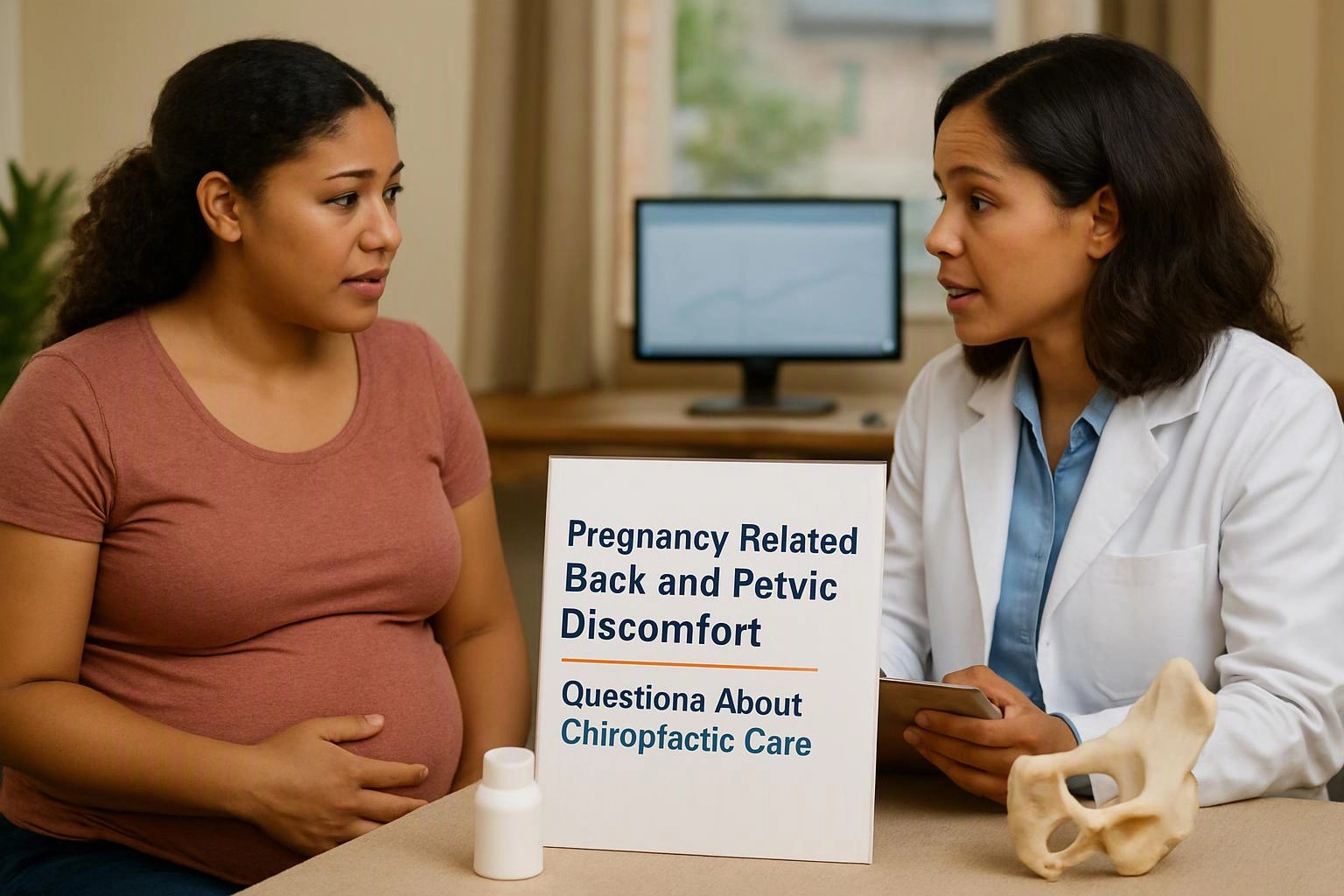
Can I See a Chiropractor for Back Pain During Pregnancy?
Yes, prenatal chiropractic care can be considered for pregnancy-related back pain when screening shows that care is appropriate and medical concerns have been addressed.
At Arrowhead Clinic Chiropractor Garden City, we begin with a chiropractic assessment that considers your pregnancy history, current symptoms, and guidance from your obstetric care or midwifery care team. Medical coordination helps us decide whether care fits your situation and how to adapt the visit.
What Pregnancy-Related Back and Pelvic Symptoms Should Be Assessed?
Pregnancy-related back and pelvic symptoms should be assessed when discomfort affects movement, sleep, daily activities, or confidence in normal activity. Our team reviews the location, pattern, and effect of your symptoms before making care recommendations.
Common symptoms that may need assessment include the following:
Sacroiliac joint discomfort can feel different from pain near the pubic region or hip. We use your symptom history and movement assessment to help separate these patterns and identify when medical review is more appropriate.
Why Can Pregnancy Cause Back, Hip, or Pelvic Discomfort?
Pregnancy can change posture, joint loading, and movement patterns, which may contribute to back, hip, or pelvic discomfort. These changes are part of pregnancy biomechanics, but persistent or limiting symptoms still deserve careful assessment.
Common contributing factors include:
Our team considers how these factors affect your lumbar spine, pelvis, sacroiliac joints, and hips. We then use the findings to guide positioning, movement advice, and any care recommendations.
Can Sciatica-Like Pain Occur During Pregnancy?
Yes, sciatica-like pain can occur during pregnancy and may travel from the lower back or buttock toward the leg, but severe or concerning symptoms require medical assessment.
Symptoms may involve the lumbar spine, sacral region, buttock, or leg. Pain that spreads into the leg does not by itself confirm a specific diagnosis, so we review the pattern and check for neurological warning signs.
New weakness, significant numbness, loss of coordination, or changes in bladder or bowel control require prompt medical attention. We do not begin care when the symptom picture calls for urgent obstetric or medical assessment first.
How Does Prenatal Chiropractic Care Address Back and Pelvic Discomfort?
Prenatal chiropractic care begins with a pregnancy-aware review of symptoms, movement, and relevant medical guidance before we select techniques and positioning.
Our prenatal assessment includes your pregnancy history, symptom history, daily movement limits, and any advice from your obstetric or midwifery care team. We use this information to decide whether care is appropriate and to develop a clear care plan.
When care is appropriate, we may use gentle chiropractic techniques and pregnancy-safe positioning that match your comfort and clinical findings. We explain what we are doing, invite your questions, and adjust the approach when a position or movement increases discomfort.
Learn more about Prenatal Chiropractic Care and how our team reviews pregnancy-related symptoms before recommending care.
What Can Help Prevent Pregnancy-Related Back and Pelvic Discomfort?
Pregnancy-related back and pelvic discomfort may be reduced by using supportive movement and positioning habits that match your pregnancy and medical guidance. These habits do not replace assessment when symptoms are severe, worsening, or limiting.
Helpful prevention and activity steps include:
We can discuss how your movement habits relate to your symptoms during an assessment. Your obstetric care or midwifery care team can also guide exercise choices that fit your pregnancy.
When Should Pregnancy-Related Pelvic or Hip Discomfort Be Medically Assessed?
Pregnancy-related pelvic or hip discomfort should receive medical assessment when symptoms are severe, sudden, worsening, or accompanied by pregnancy or neurological warning signs.
Contact your obstetric care team or midwife promptly when pain occurs with bleeding, fever, fluid loss, regular contractions, or other pregnancy concerns. Severe pain, new weakness, marked numbness, or changes in bladder or bowel control also need medical attention before chiropractic treatment.
We use symptom screening to identify concerns that require medical coordination. If your pregnancy care team gives specific guidance, we include that guidance when deciding whether and how care may proceed.
What Should I Ask Before Prenatal Chiropractic Care?
Before prenatal chiropractic care, ask how we will screen your symptoms, adapt positioning, coordinate with your pregnancy care team, and decide whether care is appropriate. Clear questions help you understand the plan before treatment begins.
You can also ask what changes should be reported between visits and how the care plan will be adjusted if your symptoms change. Our team answers these questions during the prenatal assessment.
How Arrowhead Clinic Chiropractor Garden City Plans Prenatal Chiropractic Care for Back and Pelvic Discomfort
Arrowhead Clinic Chiropractor Garden City reviews your pregnancy-related symptoms and goals with you, explains whether prenatal chiropractic care fits the situation, and outlines the next step based on the assessment.
We consider your pregnancy history, symptom goals, movement findings, medical guidance, and comfort with positioning. Our recommendations are designed to support informed decisions and appropriate coordination with obstetric care or midwifery care.
To discuss your symptoms with our team, contact Arrowhead Clinic Chiropractor Garden City.
Questions About Pregnancy Back and Pelvic Discomfort
Is prenatal chiropractic care safe for every pregnancy?
Prenatal chiropractic care is not appropriate for every pregnancy, so Arrowhead Clinic Chiropractor Garden City screens your symptoms, pregnancy factors, and medical guidance before recommending care.
Should I ask my obstetrician or midwife before seeing a prenatal chiropractor?
Asking your obstetrician or midwife is especially important when your pregnancy has medical concerns, your symptoms are new or severe, or your care team has given specific activity guidance.
Can pregnancy-related back pain travel into the buttock or leg?
Pregnancy-related back pain can travel into the buttock or leg as sciatica-like pain, but severe symptoms or neurological changes require medical assessment.
What symptoms mean I should seek medical care before chiropractic treatment?
Seek medical care before chiropractic treatment for severe or sudden pain, worsening symptoms, bleeding, fever, fluid loss, regular contractions, new weakness, significant numbness, or changes in bladder or bowel control.