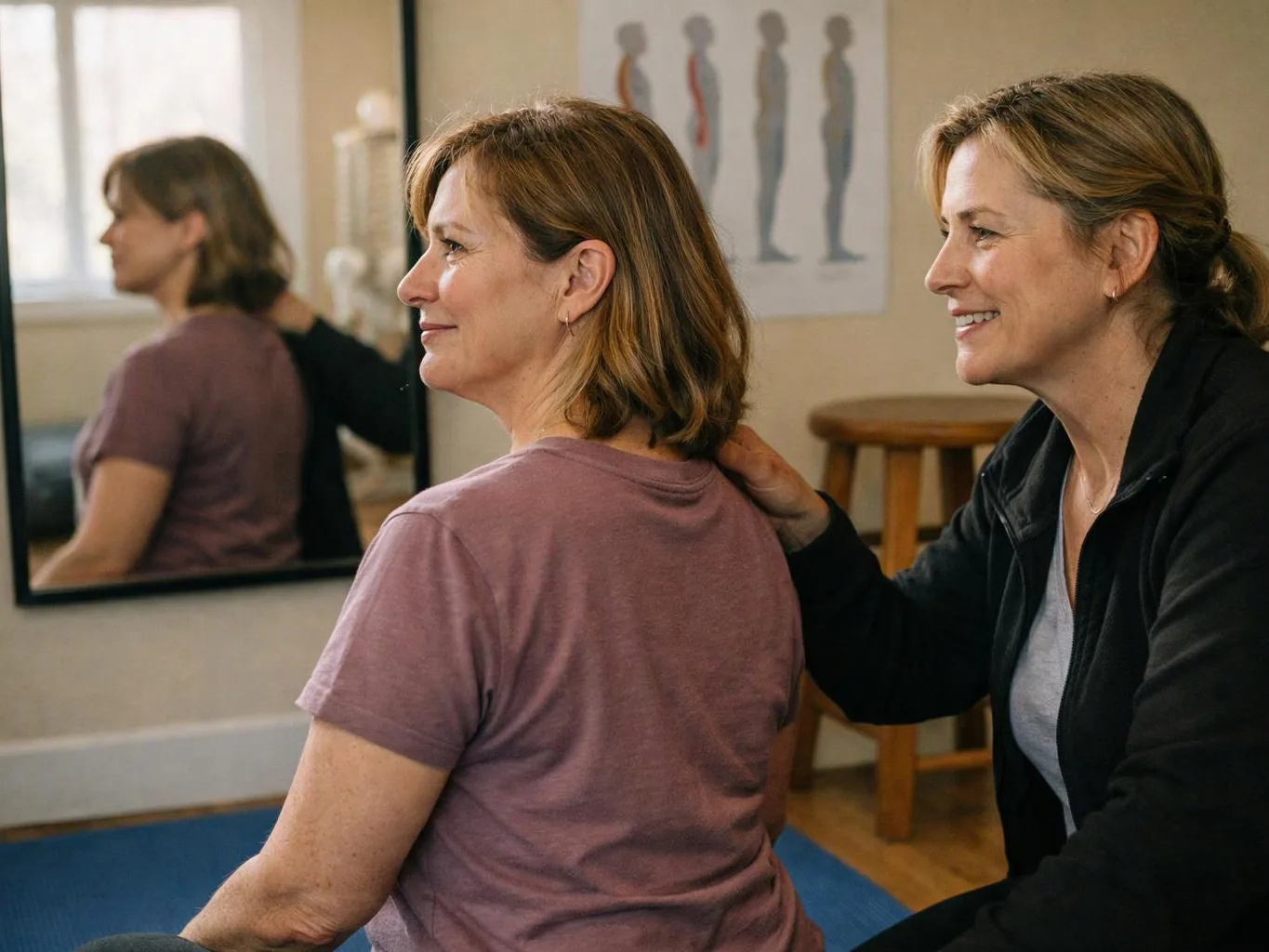
Disc-Related Back and Leg Pain: Questions to Ask Before Considering Decompression
Disc-related back and leg pain may involve nerve irritation from a herniated disc, and spinal decompression should follow a careful symptom review; Arrowhead Clinic Chiropractor Garden City evaluates the pattern, screens for warning signs, and explains whether decompression fits the situation.
Request an Estimate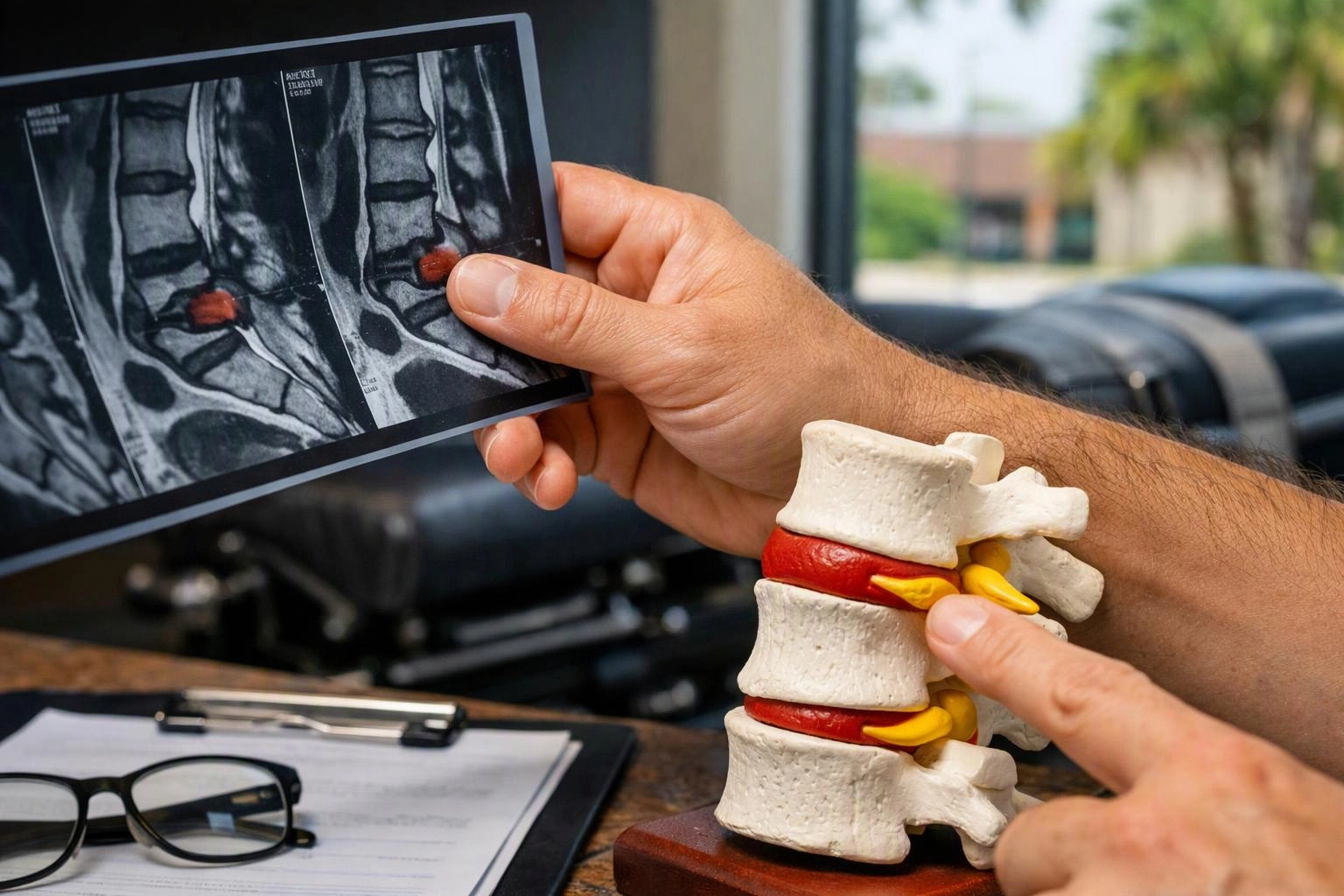
How Can a Herniated Disc Cause Back and Leg Pain?
A herniated disc can cause back and leg pain when displaced disc material irritates or compresses a nearby spinal nerve. Each intervertebral disc has a softer inner center and a tougher outer ring between the vertebrae.
When the disc changes shape, nearby nerve root irritation can develop in the lumbar spine. Irritation along the sciatic nerve may produce sciatica, which is a form of radiating pain that travels from the lower back into the leg.
Which Symptoms Can a Herniated Disc Cause in the Leg?
Leg symptoms from a herniated disc depend on which spinal nerve is affected and how strongly the nerve is irritated. We ask where symptoms begin, where they travel, and how they affect daily movement.
These symptoms can also occur with other spinal conditions, including lumbar nerve root irritation and radiculopathy. Our symptom evaluation helps connect the pattern to the suspected cause.
What Should You Ask Before Considering Spinal Decompression?
Spinal decompression therapy should be considered only after the cause, severity, warning signs, and treatment goals for the symptoms have been reviewed. A careful discussion helps determine whether decompression therapy is suitable for the person and the suspected spinal condition.
Bring questions about your medical history, neurological symptoms, daily limitations, and available care choices. We use those answers to create a treatment plan that supports informed decision-making.
Does the Symptom Pattern Fit Nerve-Related Pain?
Radiating leg pain that follows a recognizable dermatome may fit irritation of a spinal nerve or the sciatic nerve. Numbness, tingling, and weakness can add important information about nerve function.
We compare the symptom location with movement findings and changes in sensation. A pattern that does not fit nerve-related pain may point toward a different source of back pain or leg pain.
What Will the Evaluation Check?
A clinical evaluation checks posture, range of motion, movement tolerance, and signs that may reproduce symptoms. We also use an orthopedic examination and a neurological examination to assess how the back and nervous system are functioning.
Reflexes and muscle strength help us identify changes that may need further medical review. These findings guide treatment suitability and help us decide whether decompression belongs in the care plan.
What Commonly Contributes to Herniated Disc Symptoms?
Herniated disc symptoms can develop when the disc and surrounding structures face repeated stress or age-related change. We review daily activities and movement habits that may increase spinal loading.
These factors do not prove that a herniated disc caused the symptoms. Our examination connects the history with physical findings before we discuss care.
When Should Worsening Numbness or Weakness Be Evaluated?
Worsening numbness, increasing weakness, saddle-area sensory changes, or bowel and bladder changes require prompt medical evaluation before elective spinal decompression is considered. These symptoms may signal serious nerve involvement.
Cauda equina syndrome is a serious condition involving compression of nerve structures in the lower spine. Progressive weakness, loss of sensation, saddle anesthesia, or bowel or bladder changes need urgent medical evaluation.
Do not wait for a routine decompression discussion when red flag symptoms appear. We can help identify concerning patterns, but urgent symptoms require prompt medical attention.
How Can You Reduce Stress on the Lower Back?
Lower back stress can often be reduced by using controlled movement and changing positions during the day. These habits support comfort but do not replace an evaluation when symptoms persist or progress.
We can discuss movement changes that match your functional limits. Stop an activity that sharply increases radiating pain, numbness, or weakness.
How Do We Decide Whether Decompression Fits Your Symptoms?
Spinal decompression therapy fits your symptoms only when the history, examination, warning-sign screening, and treatment goals support that choice. At Arrowhead Clinic Chiropractor Garden City, we review the suspected cause of back pain or sciatica before discussing care.
We consider your symptom history, functional limitations, neurological findings, and response to movement. Our team then explains whether decompression, other conservative care, or medical evaluation best matches the situation.
Back Pain Treatment and sciatica treatment should focus on safe progress and useful function. Our care planning keeps the discussion tied to your symptoms rather than treating every herniated disc the same way.
What Should You Expect From a Decompression Care Discussion?
A decompression care discussion explains treatment goals, possible contraindications, expected response, and care alternatives. We also make time for patient questions about the examination findings and the proposed plan.
Expected response can differ because disc-related symptoms vary in cause, severity, and nerve involvement. We explain what would prompt a change in the plan and support informed decision-making throughout care.
To discuss your symptoms and treatment options, contact Arrowhead Clinic Chiropractor Garden City through our care request page.
Questions About Herniated Disc Decompression
Can a chiropractor help sciatica caused by a herniated disc?
Arrowhead Clinic Chiropractor Garden City can evaluate sciatica linked with suspected disc-related nerve irritation and explain whether conservative care may fit. Worsening weakness, significant sensory loss, or bowel and bladder changes require prompt medical evaluation.
Is spinal decompression appropriate for every herniated disc?
No, spinal decompression is not appropriate for every herniated disc. Treatment suitability depends on the symptom pattern, examination findings, warning signs, medical history, and care goals.
Can a herniated disc cause leg weakness?
Yes, a herniated disc can contribute to leg weakness when nearby nerve compression affects muscle function. New or worsening weakness needs prompt evaluation.
What happens if herniated disc symptoms keep getting worse?
Worsening herniated disc symptoms should be reassessed, especially when numbness, weakness, saddle-area sensory changes, or bowel and bladder changes appear. Those red flag symptoms call for prompt medical evaluation before elective care continues.
Arrowhead Clinic Chiropractor Garden City is ready to review your back and leg pain, screen for warning signs, and discuss whether decompression fits your symptoms.
Related Resources
Choosing a Chiropractor in Garden City: What to Compare Before Booking
Brand vs BrandSpinal Decompression Therapy Providers Worth Comparing in Garden City (2026)
Brand vs BrandBack Pain Treatment Companies Worth Comparing in Garden City (2026)
Compared ToChiropractic Adjustment or Massage Therapy for Back Pain?