A Checklist for Deciding What to Do After a Sports Injury
Sports injury symptoms should be checked by noting pain, swelling, movement limits, and red flags before choosing care. Arrowhead Clinic Chiropractor Garden City uses this checklist to help you decide when evaluation is needed and when activity may resume.
Written by Dr. NiAmber Harris
Request an Estimate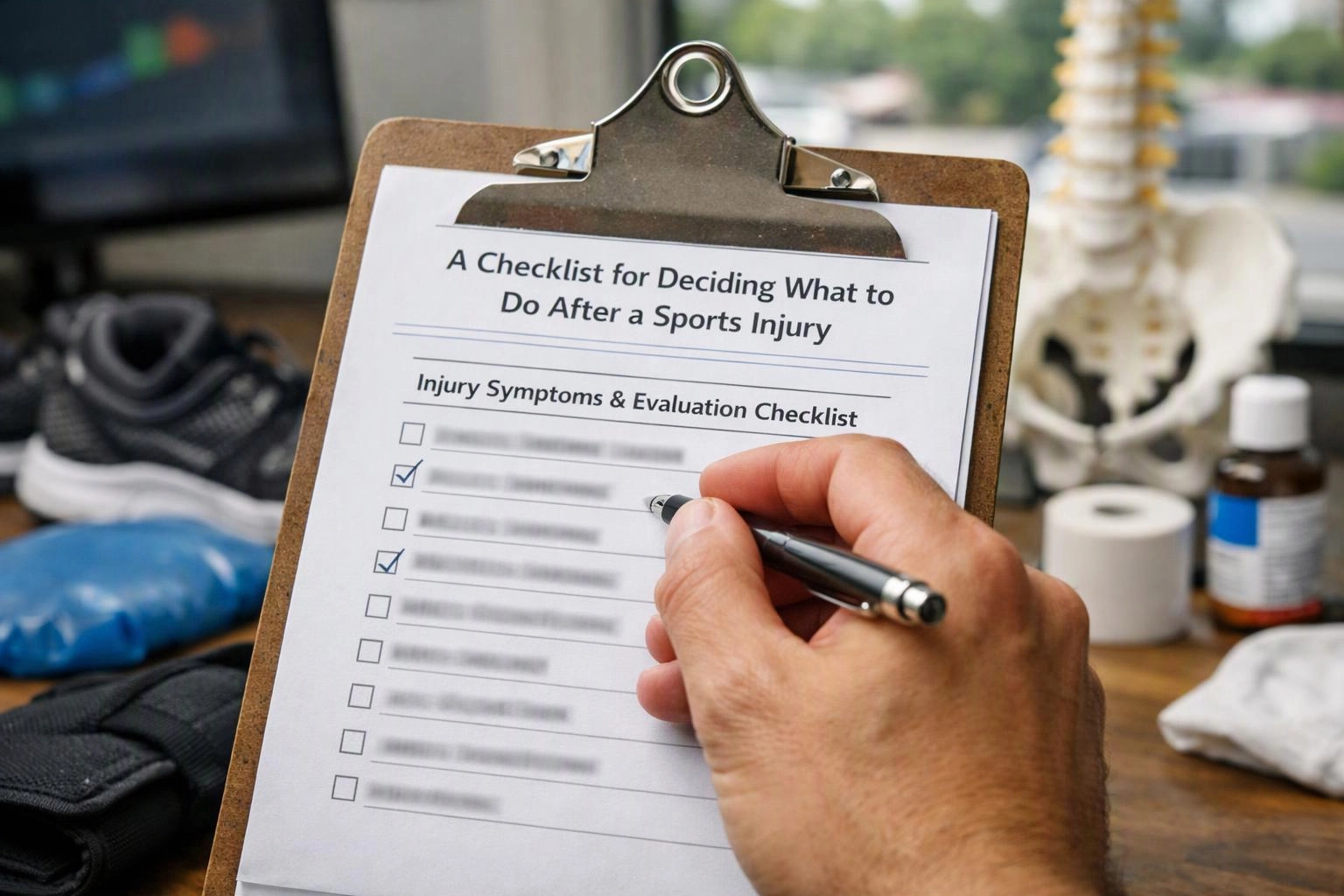
What Should You Check First After a Sports Injury?
Sports injury symptoms should be recorded by noting when the injury happened, what caused it, and how movement changed.
Start by noticing where the pain began and whether it is getting better or worse. Check for swelling or bruising, but remember that a serious injury may not show visible skin changes.
Compare your current range of motion with normal movement. Also note whether you can bear weight safely or use the affected arm during ordinary tasks.
Which Sports Injury Red Flags Need Prompt Medical Care?
Sports injury red flags need prompt medical care when symptoms suggest a major physical injury or a head or nerve problem.
Do not continue activity while waiting for care when any of these warning signs appear:
These signs can occur with a fracture, dislocation, serious sprain, or concussion. We recommend urgent medical evaluation when these red flags are present.
Before You Decide What to Do
Before an injury evaluation, collect clear details about the injury mechanism and your current symptoms.
This information helps our team understand the acute injury and its likely stress pattern. It also helps separate a new problem from symptoms linked to a prior injury.
When Should a Sports Injury Be Evaluated?
A sports injury should be evaluated when pain limits movement, normal activities remain difficult, or symptoms worsen or fail to settle.
Sports injury evaluation is also wise when you have difficulty bearing weight or cannot use the affected area normally. Pain that limits movement can point to a sprain, strain, tendon injury, muscle injury, or another musculoskeletal condition.
Seek medical evaluation promptly when red flags appear or when a fracture, dislocation, or concussion may be possible. We can then help guide the next safe care decision when the injury is appropriate for chiropractic assessment.
During Your Sports Injury Evaluation
During an injury evaluation, our team connects your symptom history with movement, strength, and safety findings.
We use these findings to identify movement limits and signs that need medical referral. The evaluation also helps shape activity modification and follow-up care.
How Do You Choose the Next Care Step?
A major injury should receive medical evaluation before chiropractic care when fracture, dislocation, serious head injury, or another urgent condition may be present.
Chiropractic care may suit selected soft tissue injuries after urgent concerns have been assessed. Our team considers the examination findings, movement limits, joint stability, and neurological symptoms before discussing sports injury treatment.
We may recommend medical referral when the findings fall outside routine chiropractic care. For appropriate cases, our approach may include movement guidance, symptom monitoring, and a gradual plan for return to activity.
Sports Injury Treatment can address care planning for sprains, strains, and other suitable sports-related injuries.
After the Evaluation: Returning to Normal Activities
Return to normal activities should follow your pain response, movement quality, strength, and care guidance.
Difficulty returning to normal activities means the injury may need further review. We can reassess the findings and adjust the return-to-sport plan when needed.
Questions About Sports Injury Decisions
Can sports injury pain that limits movement wait to be evaluated?
Arrowhead Clinic Chiropractor Garden City recommends evaluation when sports injury pain limits movement, weight bearing, or normal use of the affected area. Prompt medical care is important when severe pain, deformity, numbness, or head injury symptoms are present.
What should I do if I can't return to normal activities after a sports injury?
Difficulty returning to normal activities after a sports injury calls for a follow-up evaluation. Note which tasks remain difficult, avoid painful activity, and follow the care plan until movement and strength improve.
Should a major sports injury be checked medically before chiropractic care?
Yes, a major sports injury should receive medical evaluation before chiropractic care when fracture, dislocation, concussion, or another urgent condition may be present. Our team uses the evaluation findings to guide safe care and medical referral decisions.
Can a sports injury be serious without visible swelling?
Yes, a sports injury can be serious without visible swelling. Pain, movement limits, weakness, numbness, or trouble bearing weight can still require an injury evaluation.
Dr. NiAmber Harris provides guidance through Arrowhead Clinic Chiropractor Garden City. Contact our team to discuss your symptoms, evaluation needs, and safest next step.
Contact our team about your sports injury
Get a Free Estimate