What does auto accident injury treatment involve?
Progress monitoring helps guide auto accident injury treatment from assessment through follow-up care. Arrowhead Clinic Chiropractor Garden City reviews symptoms, health history, movement, and goals before planning care. Treatment may include chiropractic adjustments, soft tissue therapy, and rehabilitation exercises. The plan is reviewed as symptoms and movement change.
What should be checked before treatment is scheduled?
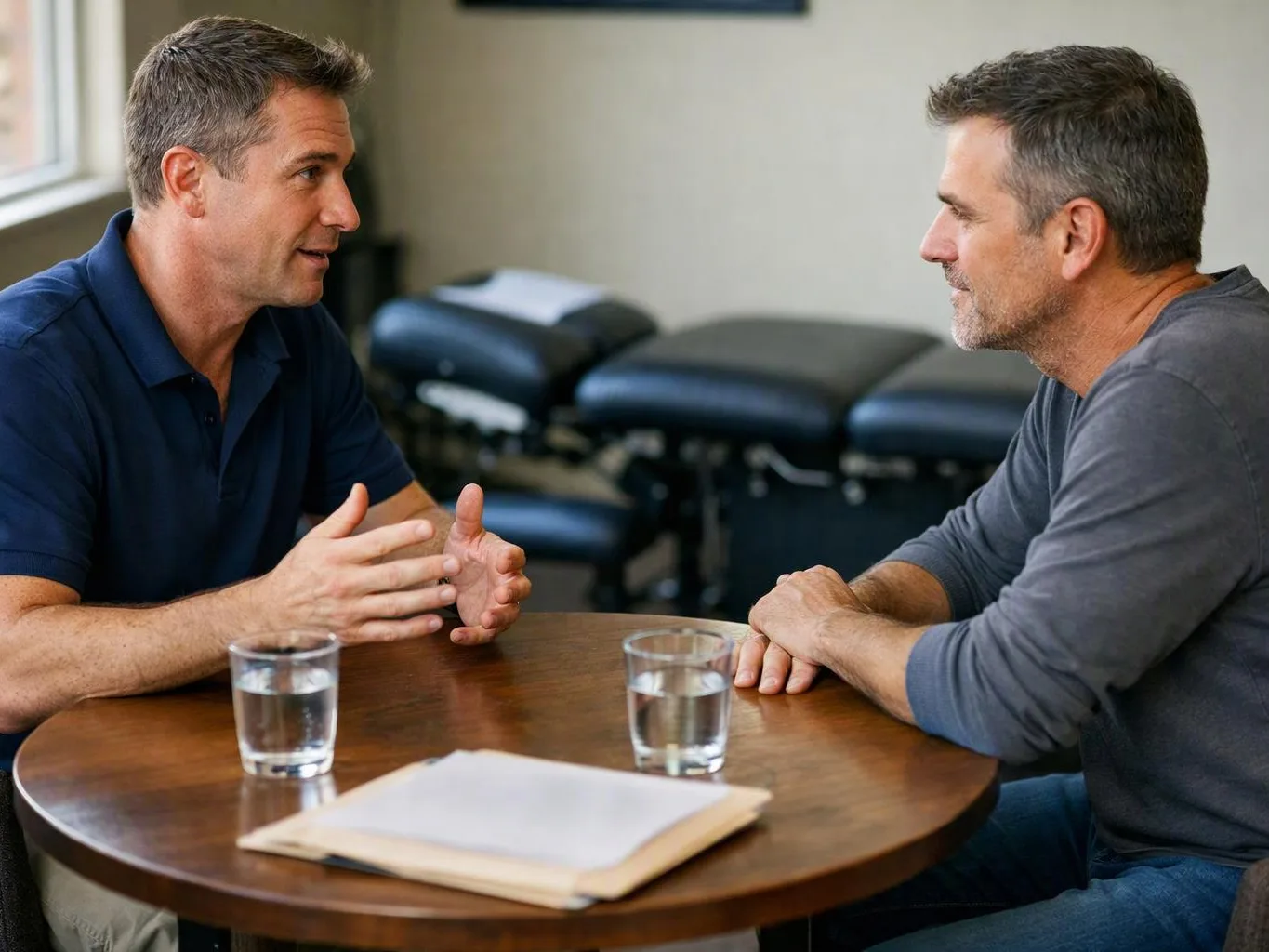
An injury assessment should review symptoms, health history, spinal movement, and signs that need medical attention first. Our team also discusses your goals and daily limits. X-rays may be considered when clinically indicated. These findings help determine whether chiropractic care fits and what the treatment plan should include.
Who is a good fit for this care, and who needs another service?
People with crash-related pain, stiffness, or movement limits may fit this care after clinical assessment. A suspected serious injury or medical emergency needs urgent medical evaluation. We review your symptoms and health history before recommending chiropractic care, exercises, or a different next step.
What happens at each stage of care?
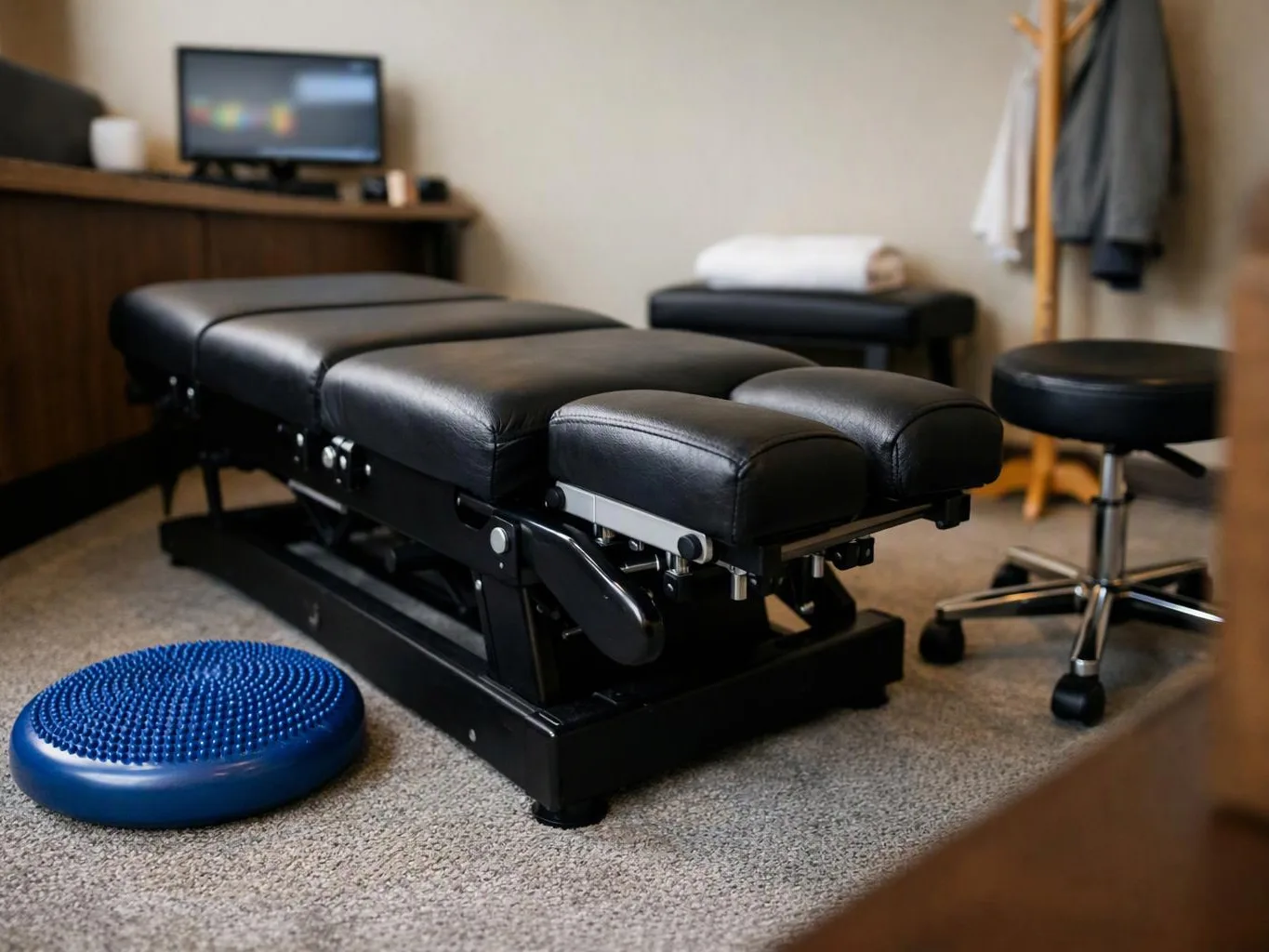
Care moves from intake to assessment, treatment planning, care, and progress review. The first visit covers your health history and symptoms. Treatment may include adjustments, soft tissue therapy, or exercises. Follow-up checks help us decide whether the plan still matches your needs.
Which records should I bring after a crash?
Medical records, imaging reports, and accident details can help us understand your current concerns. Bring them if they're available, but a consultation can still begin with your health history and symptom review. Share all symptoms, including headaches, neck stiffness, back pain, and movement limits.
Why might rehabilitation exercises be part of care?
Rehabilitation exercises may help build movement control and support active participation in recovery. Our team chooses exercises based on your assessment and goals. We explain how each exercise fits the plan, and follow-up checks help us review how your movement and symptoms are changing.
How does the assessment guide treatment choices?
The assessment connects your symptoms, movement, health history, and goals to the proposed care. It helps us decide whether adjustments, soft tissue therapy, or exercises fit. In Pooler, patients can discuss these findings with our team during a focused consultation before care begins.