How are headache patterns assessed?
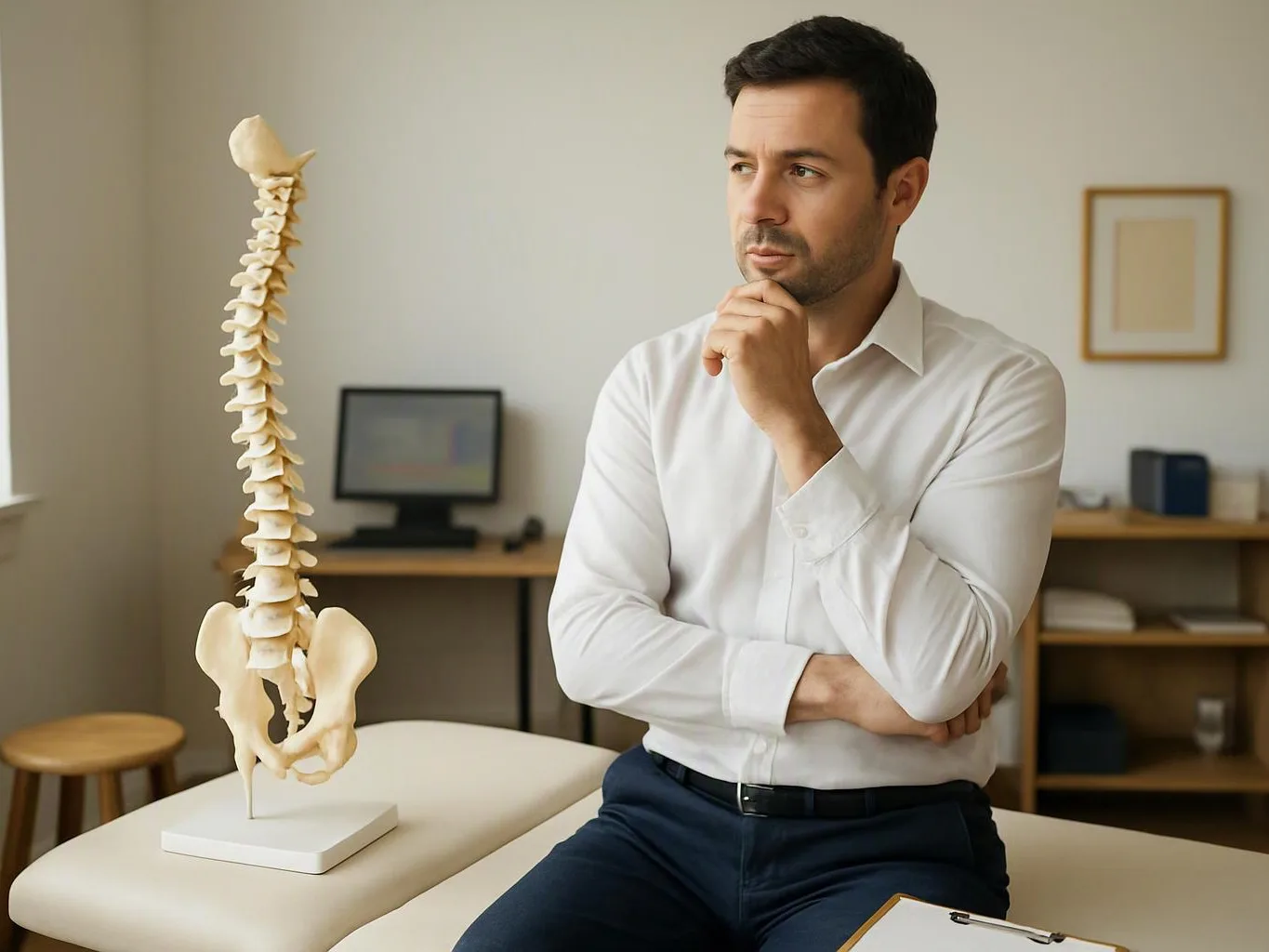
Posture evaluation identifies movement patterns that may relate to recurring headaches. We also review pain history, neck mobility, and trigger tracking during the consultation. These details help us discuss whether chiropractic adjustments, soft tissue therapy, or another care approach fits your needs. Individual response differs, so follow-up findings guide later decisions.
What should I track before a headache visit?
Trigger notes should record when symptoms start and what happens before them. Include sleep, work posture, screen use, neck movement, meals, stress, and activities that change discomfort. Bring the notes to your consultation. The record helps us compare your daily pattern with the movement findings.
Which movement findings matter during assessment?
Neck mobility, posture, and changes in symptoms during movement matter during assessment. Pain history adds context about onset, location, and repeated patterns. Our team considers these findings together before discussing a personalized treatment plan. A single movement finding doesn't decide care by itself.
When should headache care wait for medical attention?
Sudden, severe, or unusual headache symptoms should receive urgent medical attention before chiropractic care. Seek prompt help when symptoms include confusion, weakness, fainting, trouble speaking, or other serious changes. Chiropractic assessment fits symptoms that are appropriate for an outpatient consultation, not signs of a medical emergency.
Why does neck mobility matter for recurring headaches?
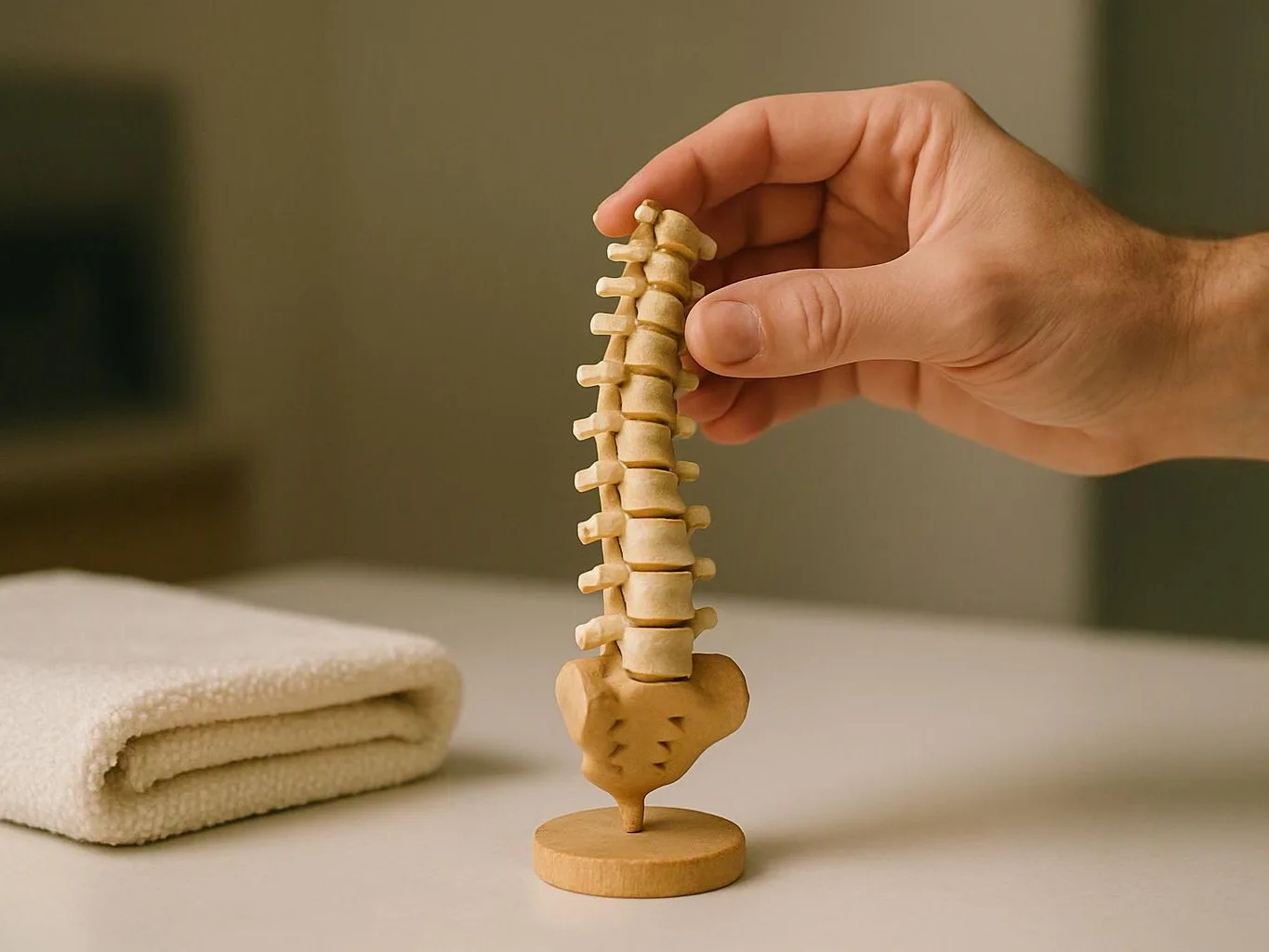
Neck mobility matters because restricted or painful movement can provide useful context for recurring headache patterns. The check doesn't prove one cause on its own. We compare movement findings with pain history and trigger notes, then explain which care options may fit your goals.
How does a visit move from the first call to the last step?
The visit moves from appointment discussion to health history, assessment, findings, and a personalized care plan. We review pain patterns first, then check posture and neck mobility. After explaining the findings, we discuss suitable treatment and any follow-up checks. Bring health records or symptom notes if you have them.
Can chiropractic care address headaches after an auto accident?
Chiropractic care may address headache and neck symptoms after an auto accident when the patient is suitable for outpatient treatment. We review the injury history, symptoms, and movement before planning care. Bring relevant medical records if available. Urgent symptoms need medical attention before a chiropractic visit.