How can posture improvements be maintained after workstation setup?
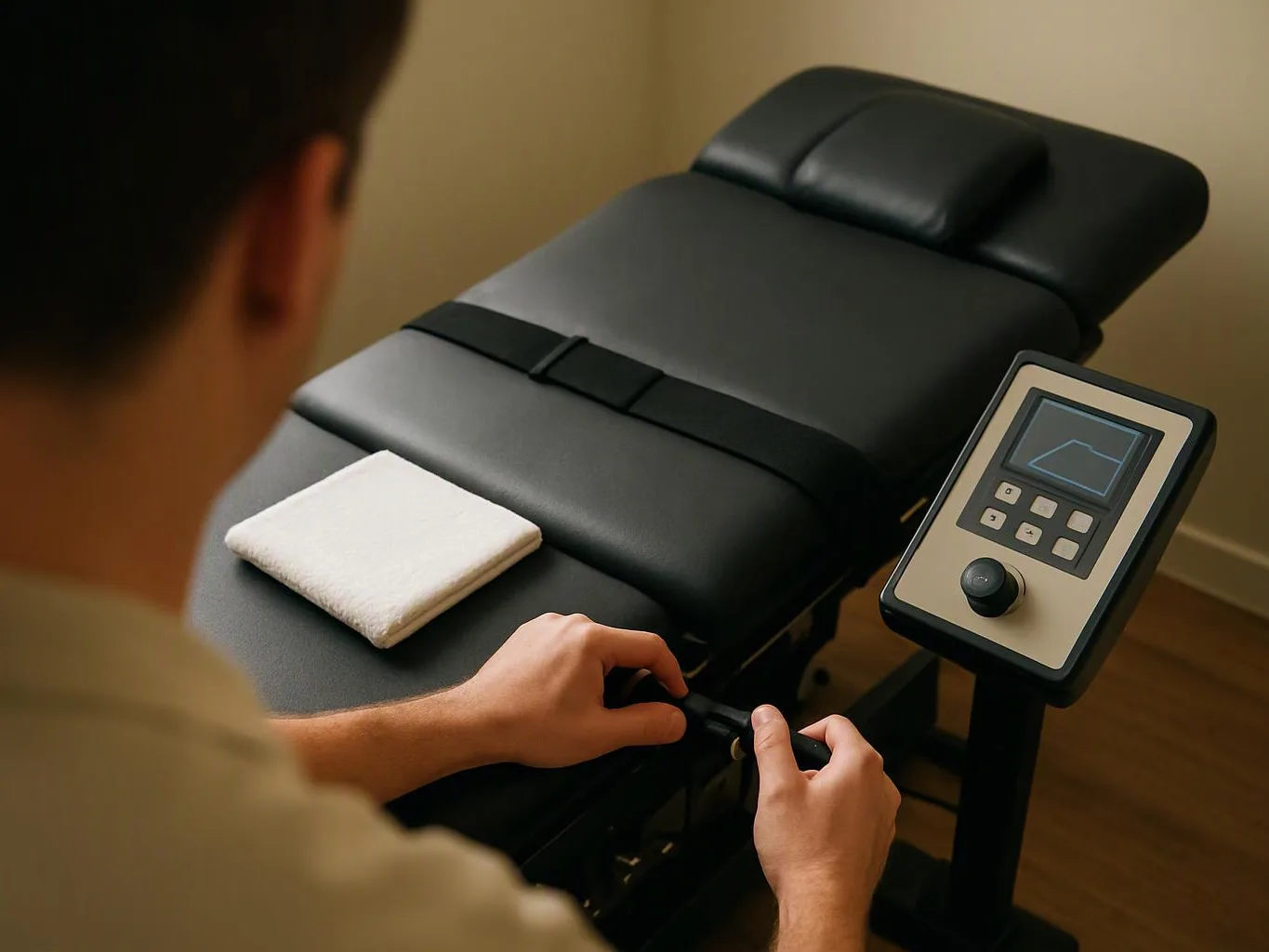
Workstation setup, daily movement, and body awareness help maintain posture improvements after an appointment. Customers should keep the screen and chair suited to their working position, change positions during the day, and follow the stretching guidance in their plan. Our team reviews these habits during follow-up care and adjusts the plan when symptoms or goals change.
What does the first posture visit include?
The first visit includes a new patient intake, health history, clinical evaluation, and discussion of your goals. We ask about back pain, neck pain, headaches, work habits, and movement limits. X-rays are considered only if clinically indicated. After the findings review, we explain the treatment plan and answer questions before care starts.
Which part of posture care changes the time needed for treatment?
The evaluation findings and the number of concerns being addressed shape the treatment time. A plan for desk-related neck strain may differ from care that also involves sciatica, headaches, or an auto injury. We discuss the recommended steps after reviewing your history, movement, symptoms, and goals.
How does a posture visit move from the first call to the last step?
The visit moves from appointment scheduling to intake, clinical evaluation, findings review, treatment planning, and progress checks. Customers discuss their symptoms and daily habits first. We then explain suitable care, which may include adjustments, soft tissue therapy, stretching, and movement education. Follow-up helps review how the plan fits daily life.
Which material changes how long posture care takes?
No single material determines care time because posture work focuses on the person, not a construction material. Chair padding, desk height, and screen position can affect comfort during work, so we review those parts during the workstation discussion. The evaluation and recommended care decide the treatment steps.
How can a customer tell whether posture care fits their symptoms?
Posture care fits symptoms linked with sitting, standing, movement habits, neck strain, back discomfort, or reduced mobility. A consultation checks whether those concerns match a chiropractic care plan. Severe sudden weakness, loss of bladder control, or other urgent warning signs call for medical attention instead of waiting for a posture appointment.
What should I bring to a first appointment after an auto accident?
Bring available health records, accident details, symptom notes, and any information about care you already received. Missing documents should not stop you from asking about an appointment. Our team reviews your history and current symptoms, then explains whether posture guidance fits alongside care for whiplash, back pain, or other injury concerns.