Scoliosis and Chiropractic Care: Assessment and Realistic Expectations
Chiropractic care for scoliosis can support mobility, comfort, and functional goals without reliably correcting the spinal curve; Arrowhead Clinic Chiropractor Garden City assesses each person and coordinates appropriate medical evaluation when needed.
Request an Estimate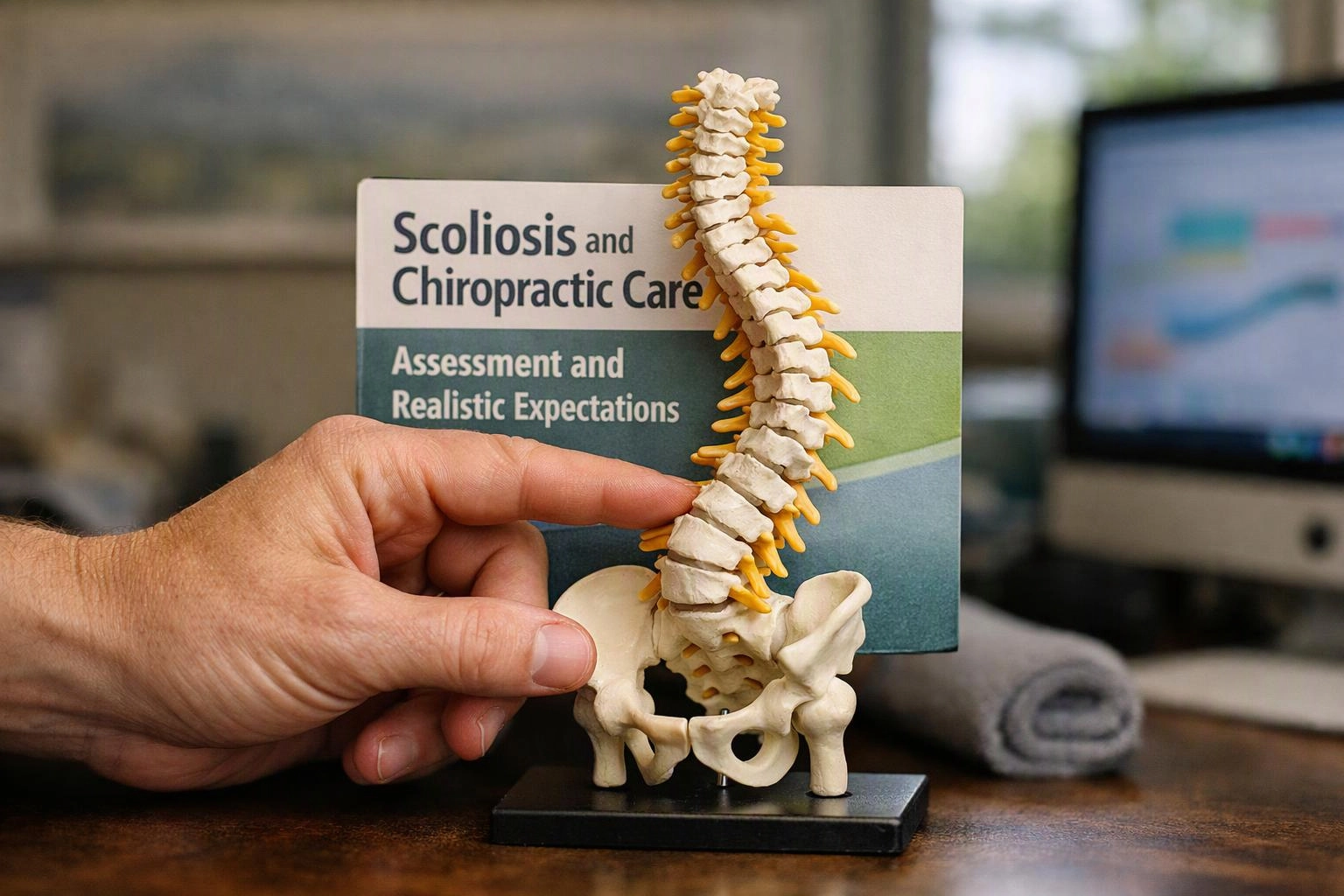
Can Chiropractic Care Help With Scoliosis?
Chiropractic care may help some people manage discomfort and movement limits, but it should not be presented as a reliable way to correct a scoliosis curve. Arrowhead Clinic Chiropractor Garden City focuses on safe assessment, symptom support, and practical function goals.
Scoliosis is a sideways spinal curvature that can affect posture, spinal movement, and muscle balance. Our team considers how the curve relates to pain, mobility, daily activity, and each person’s functional goals.
What We Assess Before Chiropractic Care for Scoliosis
A physical examination helps us understand how scoliosis affects posture, spinal movement, muscle balance, and neurological symptoms. We also review medical history and any existing scoliosis diagnosis.
Our assessment may include observation of standing posture, walking, range of motion, muscle tension, and nerve symptoms. These findings help us decide whether conservative care fits the person’s needs or whether medical evaluation and referral should come first.
Can Chiropractic Care Correct a Scoliosis Curve?
No, chiropractic care should not be described as a dependable method for correcting a structural scoliosis curve. Our care focuses on the person’s symptoms, movement, and function.
Structural scoliosis involves changes in the spine that are not expected to change through adjustments alone. Functional scoliosis may relate to posture, muscle imbalance, or another movement factor, so our team assesses the whole pattern before discussing care.
Spinal alignment findings may help explain symptom relief, but they do not prove that curve progression has stopped. We set realistic expectations around pain management, mobility, and functional improvement.
When Scoliosis Needs Medical Evaluation
Medical evaluation is important when scoliosis involves progressive symptoms, neurological changes, or concerns that require diagnostic imaging. We use the examination to identify situations that may need coordinated care.
We may recommend discussion with a primary care physician, orthopedic specialist, or neurologist when the findings call for medical assessment.
When Chiropractic and Medical Care Work Together
Chiropractic care and medical evaluation can work together when shared treatment goals address both symptoms and the underlying concern. We review available medical information and use referral when another type of assessment is needed.
Care coordination may include communication about activity limits, exercise guidance, symptom monitoring, and treatment sequencing. Our goal is to support appropriate conservative care while respecting the role of orthopedic care and other medical services.
Situations That May Require Both Types of Care
Some scoliosis concerns benefit from both chiropractic assessment and medical evaluation. We look for signs that symptoms or the patient’s history call for coordinated planning.
These situations may include:
How Chiropractic and Medical Services Work Together
Chiropractic and medical services work together through clear roles, shared information, and treatment decisions based on the person’s findings. Our team explains what we can assess and when referral is appropriate.
What Chiropractic Care for Scoliosis May Involve
Chiropractic care for scoliosis may involve spinal manipulation, mobilization, soft tissue techniques, therapeutic exercise, and posture education. We select techniques based on the examination, symptoms, and tolerance for movement.
Movement recommendations may address spinal mobility, muscle tension, balance, and daily activities. Our team builds an individualized treatment plan that supports function without promising curve correction.
What Realistic Progress Looks Like?
Realistic progress may include improved pain levels, range of motion, strength, balance, or tolerance for daily activities. We track how symptoms respond to care instead of using curve appearance as the only measure of progress.
Functional improvement can mean moving more comfortably, completing routine tasks with less limitation, or responding better to exercise. We adjust the plan when symptom monitoring shows that the current approach is not meeting the agreed goals.
How We Plan Scoliosis Chiropractic Care
Our scoliosis care plan begins with the person’s history and examination, then connects findings to practical goals. Each step helps us decide whether care is appropriate and whether referral is needed.
Questions to Ask Before Starting Care
Before starting care, ask what treatment goals fit your symptoms and what outcomes are realistic. We explain the proposed care plan, how we will monitor symptoms, and when medical coordination may be needed.
Ask how the plan addresses pain, mobility, exercise, and daily function. You can also ask what findings would lead to referral or a change in treatment sequencing.
Questions About Scoliosis and Chiropractic Care
Is chiropractic care safe for people with scoliosis?
Chiropractic care may be appropriate for some people with scoliosis after Arrowhead Clinic Chiropractor Garden City completes an assessment. We adjust the plan to the person’s symptoms, examination findings, medical history, and tolerance for movement.
Should someone with scoliosis get imaging before seeing a chiropractor?
Imaging before chiropractic care is not the same for every person with scoliosis. Our physical examination and medical history help determine whether existing imaging is useful or whether medical evaluation and diagnostic imaging should come first.
Can chiropractic care help scoliosis pain?
Chiropractic care may help some people manage scoliosis-related pain and movement limits. We focus on symptom relief and functional goals without promising to correct the spinal curve.
What symptoms mean scoliosis needs prompt medical attention?
New or worsening weakness, numbness, radiating pain, major changes in coordination, or suspected curve progression can mean scoliosis needs prompt medical attention. We recommend appropriate medical evaluation when these findings appear.
Arrowhead Clinic Chiropractor Garden City can assess your symptoms, discuss realistic scoliosis care goals, and explain when medical evaluation or referral belongs in the plan.