Posture Changes and Scoliosis Concerns: When to Seek an Evaluation
Chiropractic evaluation assesses posture changes, scoliosis concerns, spinal alignment, and related symptoms; Arrowhead Clinic Chiropractor Garden City reviews posture and spinal movement and explains appropriate next steps.
Request an Estimate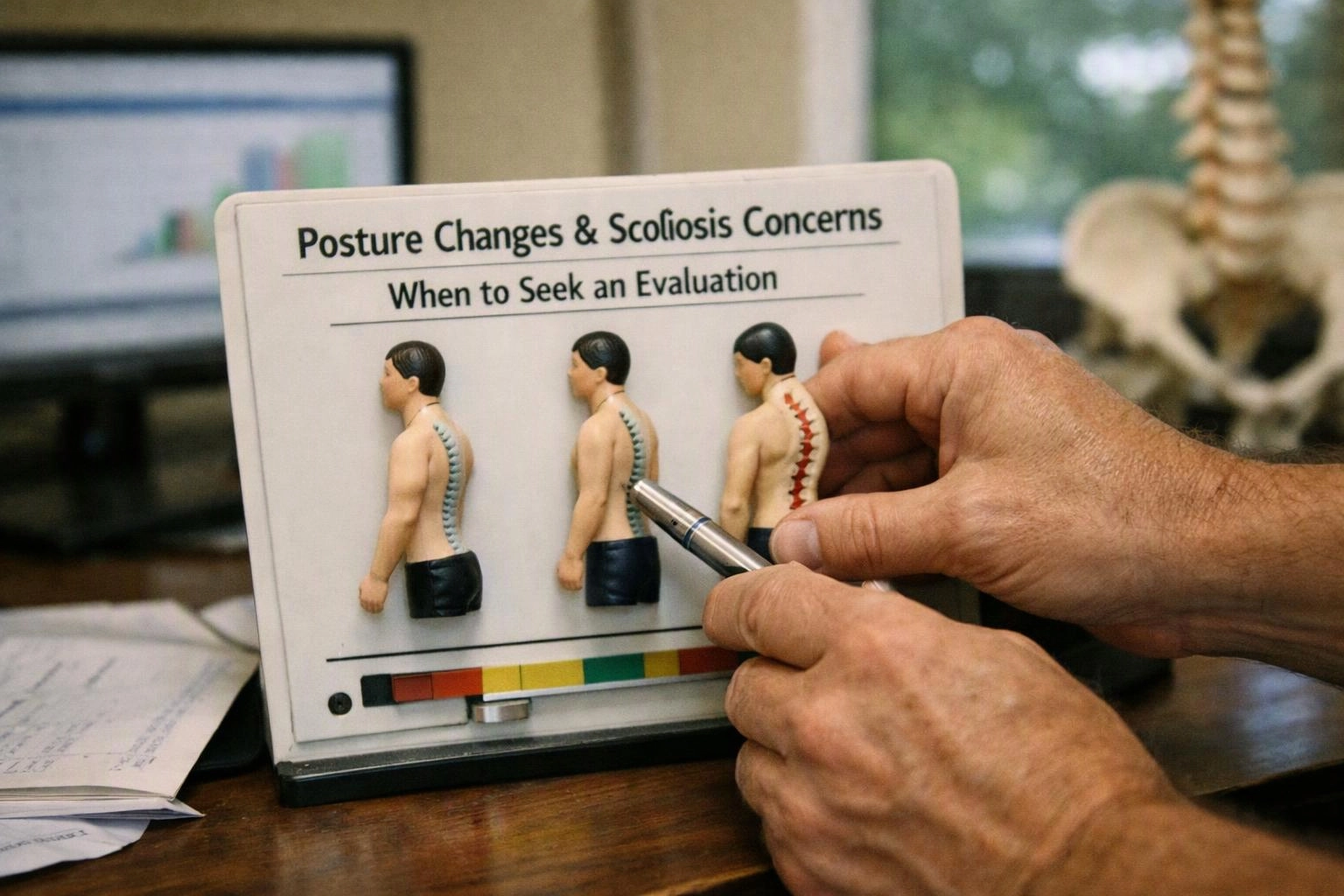
When Should Posture Changes or Scoliosis Concerns Be Evaluated?
Posture changes or scoliosis concerns should be evaluated when symptoms persist, movement changes, the body appears uneven, or the concern is progressing. Arrowhead Clinic Chiropractor Garden City reviews back pain, neck pain, and changes in spinal alignment during a chiropractic evaluation.
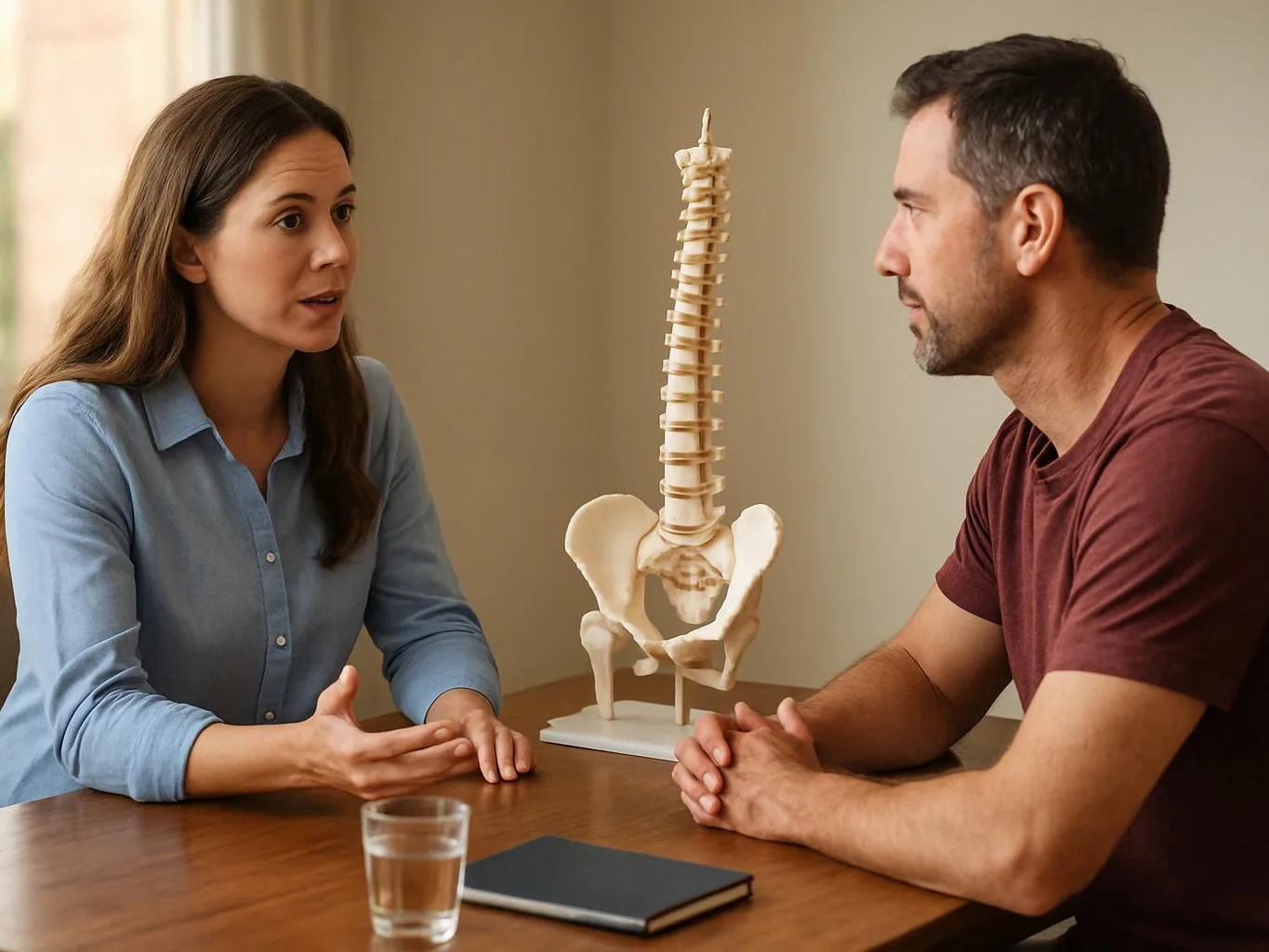
A visible curved spine does not always mean that pain will develop. An evaluation can help clarify whether the concern relates to posture, muscle balance, spinal movement, or a structural change.
Signs That Posture or Spinal Alignment Needs Attention
Visible or felt changes in posture can show that the spine, muscles, or joints need closer attention. We look at the full pattern of symptoms instead of focusing on one visible feature.
These signs do not identify the cause by themselves. Our team connects the visible findings with your movement and symptom history.
What Can Cause Posture Changes and Scoliosis Concerns?
Posture changes and scoliosis concerns can come from several musculoskeletal factors. We assess how each factor may relate to your symptoms before discussing care.
A posture concern may also reflect more than one factor. A movement evaluation helps us separate a flexible postural pattern from a concern that needs additional assessment.
How We Evaluate Posture and Scoliosis Concerns
Yes, Arrowhead Clinic Chiropractor Garden City can evaluate posture and scoliosis concerns by reviewing symptoms, observing alignment, and assessing spinal movement before discussing appropriate care.
Our chiropractic evaluation includes a posture assessment, symptom history, and musculoskeletal examination. We consider how the spine, muscles, and joints move together, and we discuss medical referral when findings call for evaluation beyond chiropractic care.
We explain what we observe in clear terms. Our goal is to help you understand whether chiropractic care is suitable for your needs and what next steps may support safe movement.
What We Check During a Posture Evaluation
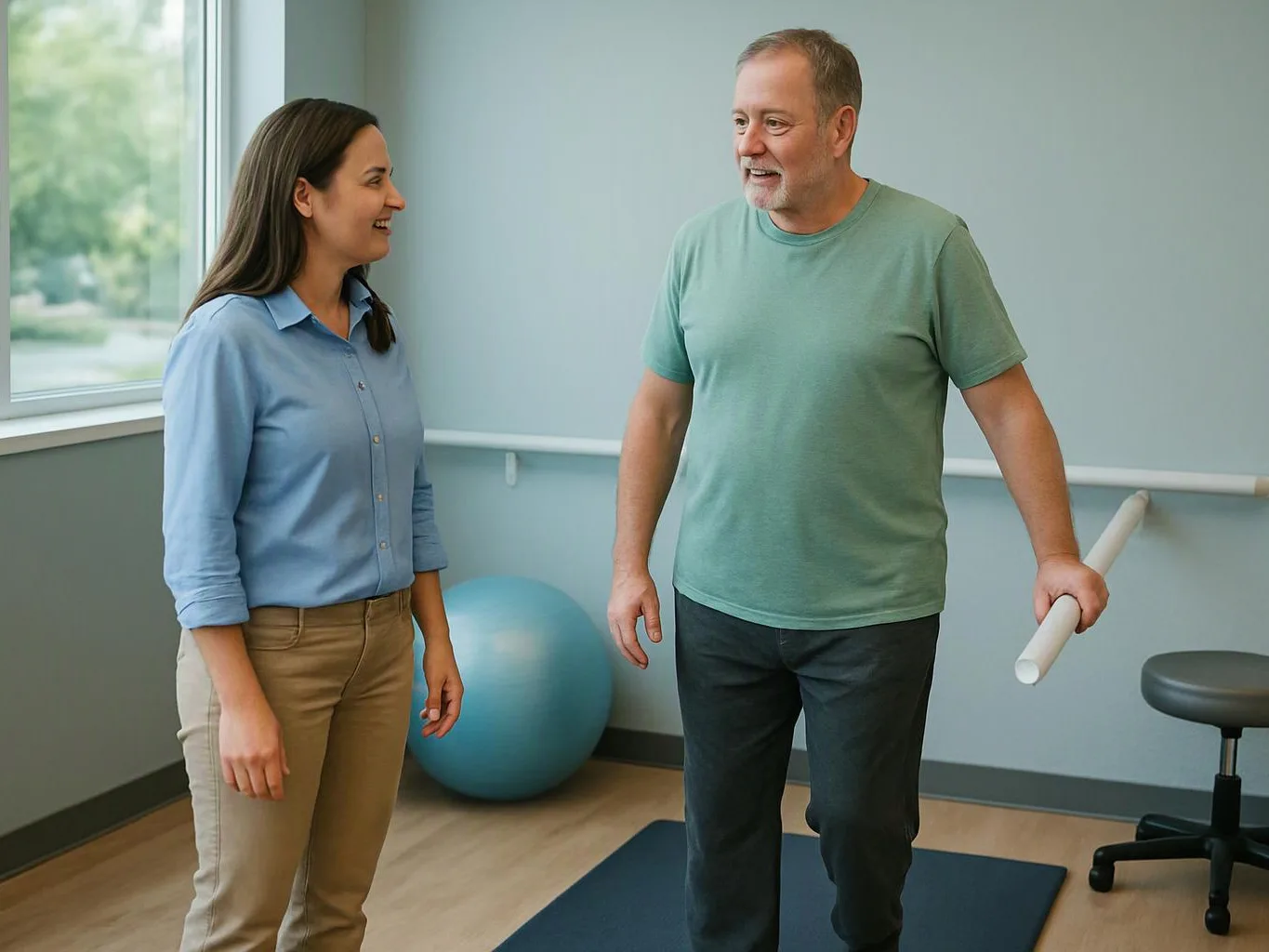
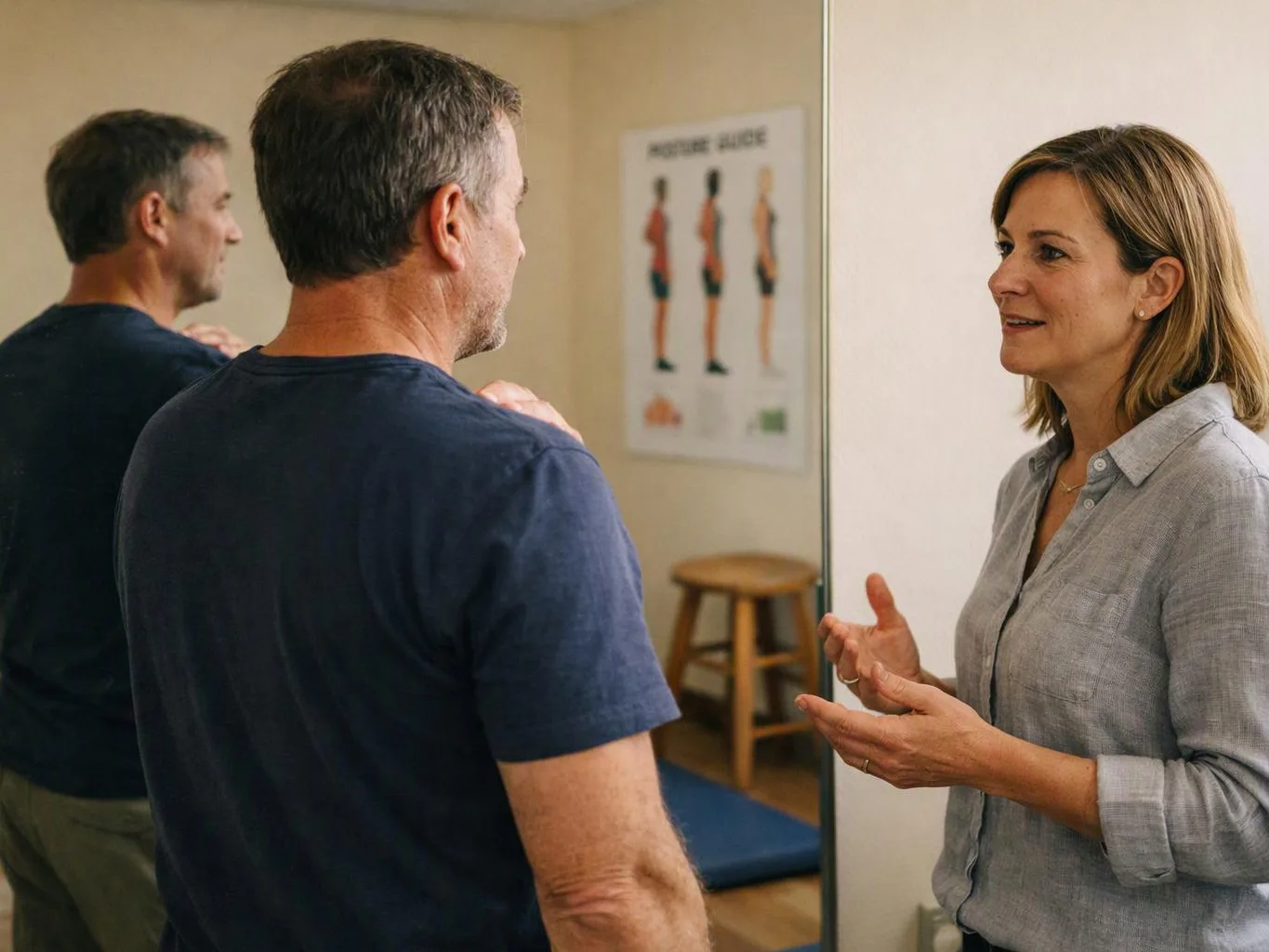
Standing posture, walking pattern, range of motion, muscle tension, spinal alignment, and pain pattern are the main areas we check during a posture evaluation.
We observe how your body responds during simple movements. These findings help us understand whether symptoms change with position, motion, or muscle use.
What Questions Should You Ask About Chiropractic Care for Scoliosis?
Questions about chiropractic care for scoliosis should focus on evaluation findings, care goals, and when medical referral may be appropriate. Clear questions help you understand whether the proposed approach fits your symptoms.
Our team answers these questions using your examination findings and symptom history. We adjust the discussion when symptoms or movement patterns change.
Can Posture Exercises Address Every Cause of Back Discomfort?
No, posture exercises cannot address every cause of back discomfort because pain may relate to spinal curvature, injury, joint problems, or another underlying condition.
Posture exercises may help with muscle weakness, movement control, or body awareness when those factors contribute to discomfort. We first consider the cause and your current range of motion before recommending exercises.
Exercises should not be used to ignore worsening pain, numbness, weakness, or other warning signs. Our team can explain when a medical evaluation or referral is more appropriate.
Prevention Steps That Support Healthier Posture
Healthy posture habits support comfortable movement and reduce repeated strain during daily activities. We encourage small, consistent changes that match your body and routine.
Prevention steps work best when they do not increase pain. We can help you identify movements that support mobility without aggravating symptoms.
When Posture or Scoliosis Symptoms Need Medical Attention
Progressive symptoms, severe pain, numbness, weakness, or balance changes warrant medical attention because they may require evaluation beyond posture-focused care.
Sudden or worsening changes should not be managed with exercises alone. We can review the findings and explain when medical referral is the safer next step.
Medical evaluation is also important when symptoms affect walking, coordination, or daily function. Prompt attention helps clarify the cause and guides appropriate care.
How Our Posture Correction and Scoliosis Treatment Services Fit the Evaluation
Posture Correction and Scoliosis Treatment begin with understanding your symptoms, movement, and spinal alignment. We use the evaluation findings to discuss an individualized care plan that may focus on spinal mobility, movement control, and symptom management.
Chiropractic care may be appropriate when posture changes or muscle imbalance contribute to discomfort. Our team also recognizes when a concern needs medical referral or a broader evaluation.
Care decisions should match the cause and the person, not only the appearance of the spine. We explain the purpose of each recommended step before care begins.
Questions About Posture Changes and Scoliosis Concerns
Can scoliosis exist without noticeable pain?
Yes, scoliosis can exist without noticeable pain, especially when the spinal curvature does not limit movement or irritate nearby tissues. Arrowhead Clinic Chiropractor Garden City can review visible alignment changes and spinal movement even when pain is not present.
What happens during a chiropractic posture assessment?
A chiropractic posture assessment includes a review of symptom history, standing posture, walking pattern, range of motion, muscle tension, and spinal movement. We use these findings to discuss appropriate care or medical referral.
Should children with visible spinal curvature receive an evaluation?
Yes, children with visible spinal curvature should receive an evaluation so the concern can be understood while growth and movement are considered. We can assess posture and spinal movement and explain when medical referral is appropriate.
Start With a Posture and Scoliosis Evaluation
Posture changes, spinal curvature, back pain, and neck pain deserve attention when symptoms persist or progress. Arrowhead Clinic Chiropractor Garden City reviews your movement and symptoms and explains appropriate next steps.
Contact our team to discuss your concerns and arrange an evaluation.