Chiropractor vs. Physical Therapy for Sciatica: Comparing Care Options
Sciatica treatment may include hands-on spinal care or guided physical rehabilitation. Arrowhead Clinic Chiropractor Garden City compares chiropractic care and physical therapy by treatment goals, examination findings, safety concerns, cost drivers, and preferred care style so you can discuss the safest fit for your symptoms.
Written by Dr. NiAmber Harris
Request an EstimateSciatica can cause low back pain, buttock pain, and radiating leg pain. Symptoms may follow irritation near the sciatic nerve, but several conditions can create similar pain.
We begin with a clinical evaluation before discussing care. You can learn more about our Sciatica Treatment services when hands-on care may fit your needs.
What’s the Difference Between Chiropractic Care and Physical Therapy for Sciatica?
Chiropractic care uses hands-on spinal treatment, while physical therapy builds movement, strength, and daily function.
Chiropractic care may include a chiropractic adjustment, manual therapy, or spinal decompression therapy. Physical therapy often uses therapeutic exercise to improve strength, flexibility, posture, and functional movement.
Both approaches may address movement limits linked with sciatica. The right choice depends on pain location, neurological symptoms, treatment goals, and safety screening.
How Do Chiropractic Care and Physical Therapy Compare?
Neither option is best for every person because symptoms, examination findings, goals, and safety concerns guide the choice.
These options can also be part of a broader conservative care plan. We use your examination findings to explain which services may fit your needs.
| Factor | Chiropractic care | Physical therapy |
|---|---|---|
| Treatment goals | May focus on spinal movement, joint mobility, and nerve irritation. | May focus on strength, flexibility, and daily function. |
| Main methods | Spinal adjustment, manual therapy, and possible spinal decompression therapy. | Therapeutic exercise, movement training, and home exercises. |
| Cost drivers | The examination, recommended services, visit plan, and coverage. | The evaluation, therapy plan, equipment needs, visit plan, and coverage. |
| Care timeline | Depends on symptoms, response, and examination findings. | Depends on function, exercise progress, and treatment goals. |
| Maintenance care | May be discussed when movement goals and symptoms support it. | May include continued home exercises and movement practice. |
| Best-fit patient | Someone seeking hands-on spinal care and movement assessment. | Someone seeking guided exercise and function-based rehabilitation. |
What Are the Advantages of Chiropractic Care for Sciatica?
Chiropractic care may help people who want hands-on treatment and an evaluation of spinal movement.
Best for: people who prefer hands-on care and want spinal movement included in the assessment.
What Are the Advantages of Physical Therapy for Sciatica?
Physical therapy may help people who want guided exercises for strength, flexibility, and daily movement.
Best for: people who prefer active rehabilitation and want structured exercise guidance.
Which Option Is Better for Sciatica?
The better option depends on the cause of symptoms, examination findings, safety concerns, and the type of care you prefer.
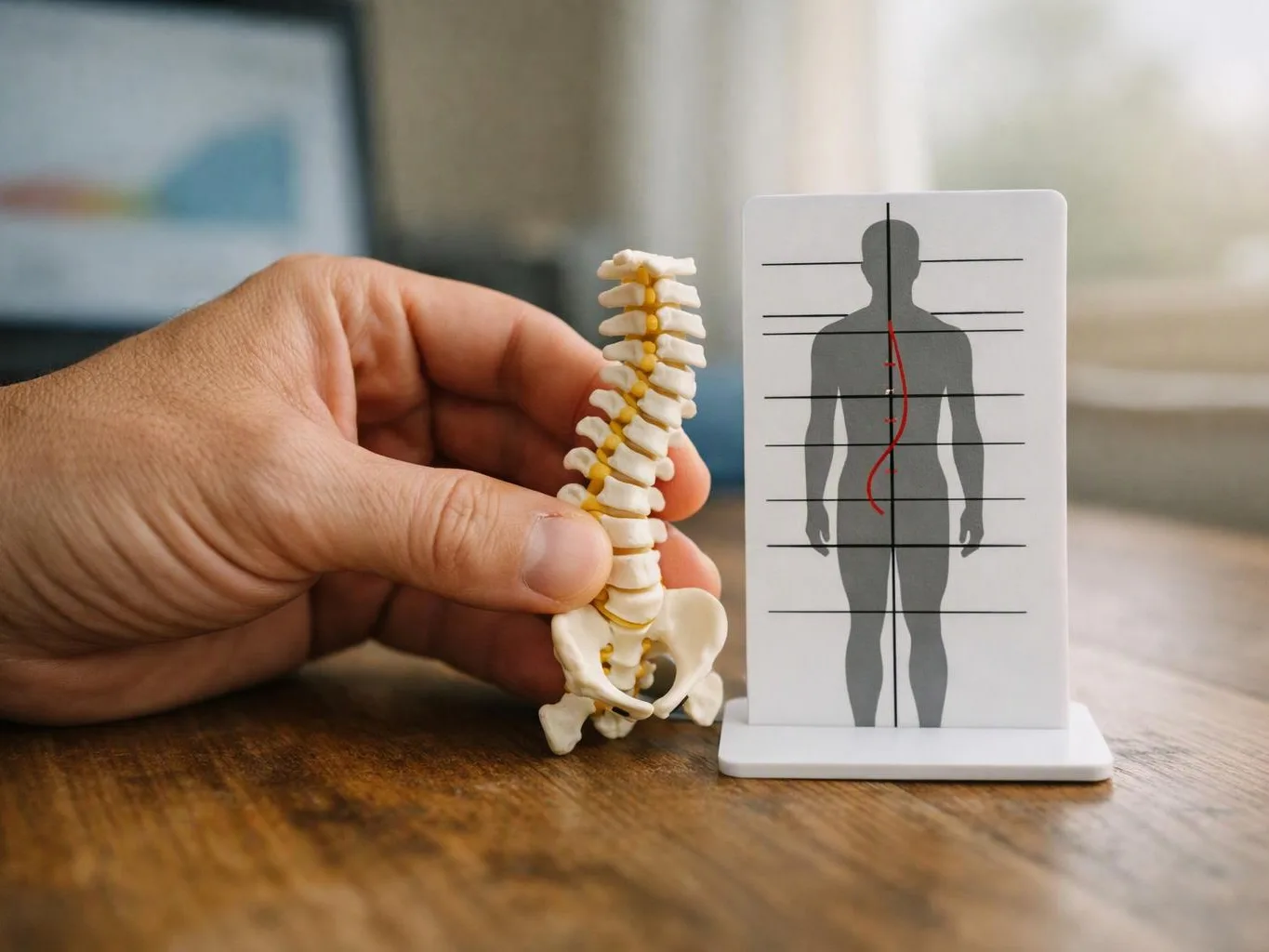
Persistent pain, numbness, weakness, or mobility limits deserve careful review. We consider pain location, symptom behavior, treatment goals, and neurological findings during the clinical evaluation.
Some people prefer hands-on treatment, while others want exercise-based care. We explain the available care plan and discuss alternatives when they may be appropriate.
How Do Chiropractic Adjustments and Spinal Decompression Differ?
A chiropractic adjustment applies controlled hands-on force, while spinal decompression uses a separate treatment approach designed to reduce spinal loading.
A chiropractic adjustment is a form of manual therapy that targets spinal movement and joint function. Spinal decompression therapy is a traction-based treatment that uses a different loading pattern.
Neither approach automatically fits every case. We screen symptoms and examination findings before discussing care for disc-related symptoms.
How Do Treatment Costs and Ongoing Care Compare?
Treatment cost depends on the examination, recommended services, visit plan, equipment needs, and insurance coverage.
An initial examination helps define the treatment plan and the services included. We explain what a quote includes before you decide how to proceed.
Visit needs can differ between hands-on care and exercise-based therapy. Maintenance care may also be discussed when your symptoms and goals support continued care.
Arrowhead Clinic Chiropractor Garden City can explain the expected services and help you request an exact quote.
What Warning Signs Need Prompt Medical Attention?
New loss of bladder or bowel control, saddle numbness, or worsening weakness needs prompt medical evaluation.
We don't recommend delaying medical care when these warning signs appear.
What Should You Ask Before Starting Sciatica Treatment?
Ask how the examination supports the plan, what the treatment targets, and when the plan should be reviewed.
How We Help You Choose a Sciatica Care Plan
Arrowhead Clinic Chiropractor Garden City reviews your patient history, movement, goals, and safety concerns before explaining whether our sciatica treatment services fit your needs.
Our team considers neurological symptoms, spinal movement, pain patterns, and mobility limits. We then discuss chiropractic care, spinal decompression therapy, and other suitable steps within your treatment plan.
We want you to understand the purpose of care, the expected follow-up plan, and when medical evaluation may be more appropriate.
Contact Arrowhead Clinic Chiropractor Garden City to discuss your symptoms and request an exact care quote.
Contact our team about sciatica treatment
Get a Free EstimateQuestions About Chiropractors and Physical Therapy for Sciatica
Can chiropractic care and physical therapy be used together for sciatica?
Yes, chiropractic care and physical therapy can sometimes be combined when the care plan, symptoms, and safety screening support both approaches. Arrowhead Clinic Chiropractor Garden City reviews your goals and examination findings before discussing coordinated care.
Is spinal decompression the same as a chiropractic adjustment?
No, spinal decompression therapy is not the same as a chiropractic adjustment. An adjustment uses controlled hands-on force, while decompression uses a separate traction-based approach designed to reduce spinal loading.
Can sciatica improve without treatment?
Yes, some sciatica symptoms can improve without formal treatment, but the cause and symptom pattern matter. Ongoing pain, numbness, or weakness deserves a clinical evaluation so safety concerns aren't overlooked.
Should I stop exercising when sciatica causes leg pain?
Not always, because the safest activity level depends on your symptoms and examination findings. Avoid activities that sharply worsen symptoms, and discuss suitable movement and home exercises during your evaluation.
Author: Dr. NiAmber Harris
Related Resources
Arrowhead Clinic Chiropractor Garden City vs Local Spinal Decompression Therapy Alternatives in Garden City: Side-by-Side Comparison
What's RequiredSymptoms to Check Before Scheduling Chiropractic Care
What's RequiredA Checklist for Disc-Related Symptoms and Treatment Questions
What's RequiredA Checklist for Sciatica Symptoms and Next Steps