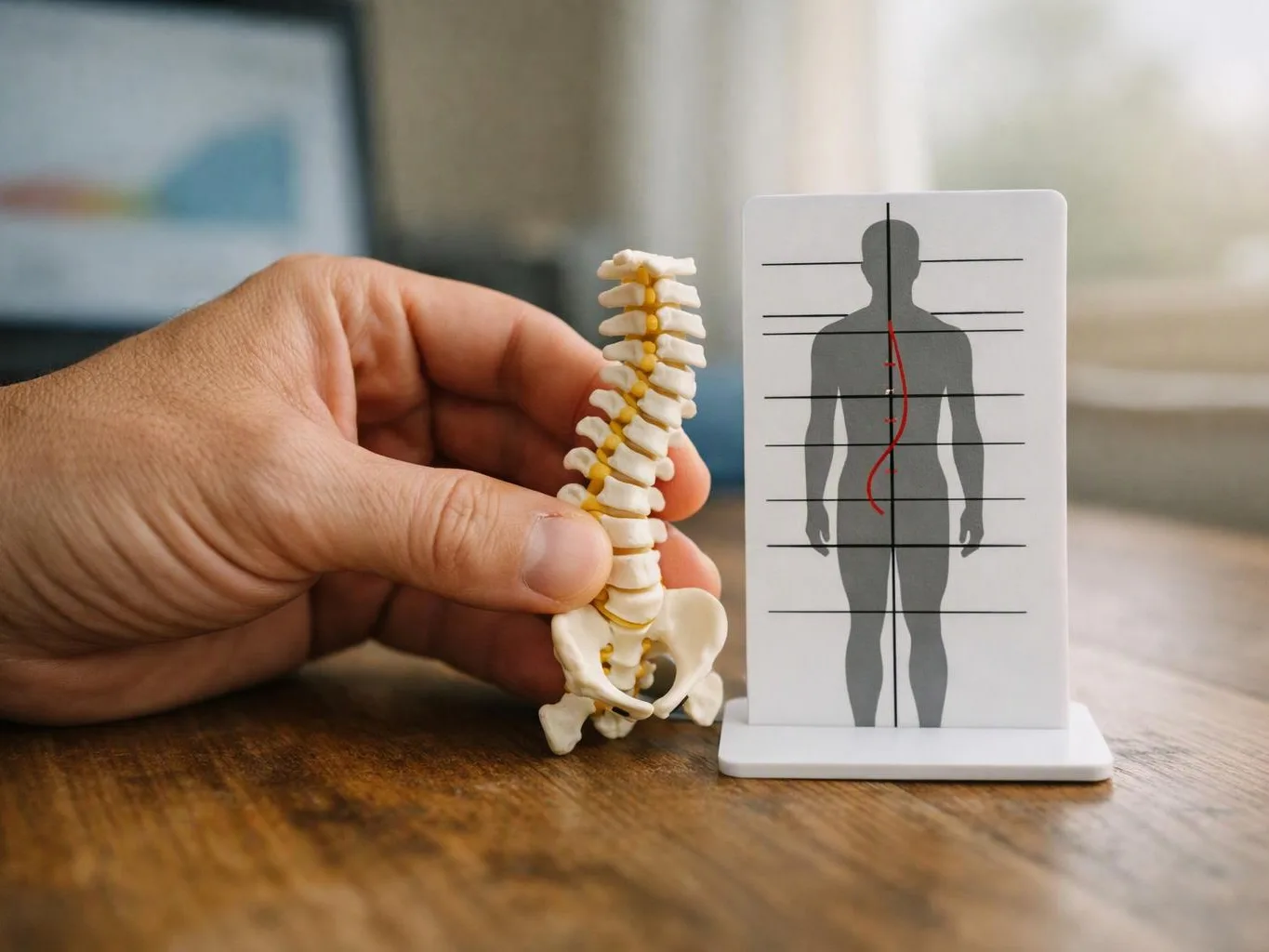
A Checklist for Disc-Related Symptoms and Treatment Questions
A herniated disc symptoms and spinal decompression checklist helps you record symptoms, spot warning signs, prepare treatment questions, and understand whether evaluation may be appropriate. Arrowhead Clinic Chiropractor Garden City uses these points to guide a careful discussion about next steps.
Written by Dr. NiAmber Harris
Request an EstimateWhat This Disc Symptom Checklist Helps You Prepare

A disc symptom checklist helps you organize changes that may relate to a herniated disc, bulging disc, or other disc injury. Clear notes help connect pain, nerve signs, medical history, and daily limits.
We use this information during a clinical evaluation to discuss whether spinal decompression therapy fits your situation. Our team also reviews other conservative treatment options and safety concerns before treatment planning.
What Symptoms Can a Herniated Disc Cause?
A herniated disc can cause local pain or nerve-related symptoms that travel into an arm or leg.
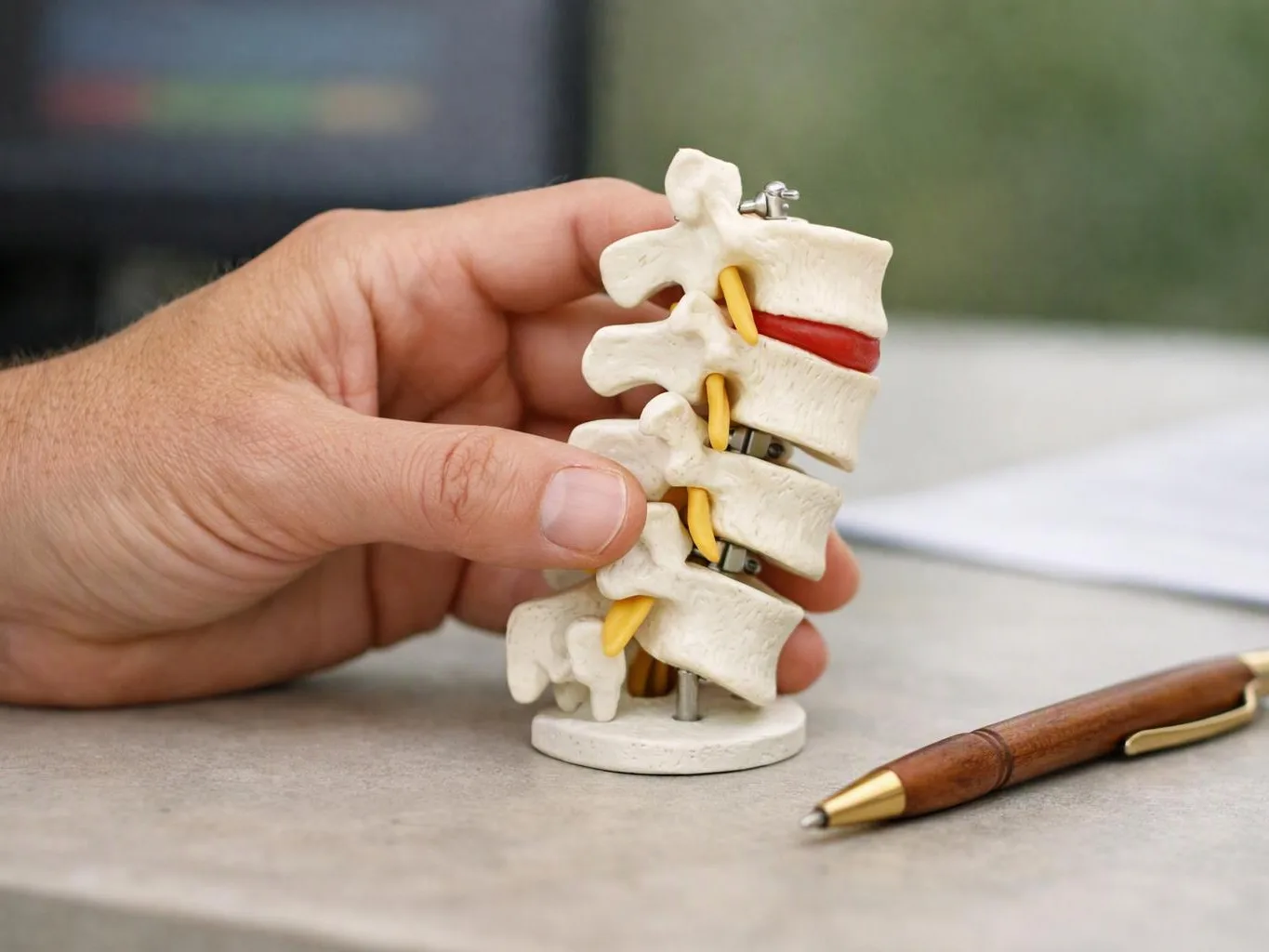
Herniated disc symptoms may include back pain, neck pain, or pain near the affected spinal segment. Nerve irritation or nerve pressure can create radiating pain, such as pain down the arm or pain down the leg.
Numbness, tingling, and muscle weakness may also occur when a spinal nerve faces compression. Cervical disc problems may affect the neck and arm, while lumbar disc problems may affect the back and leg.
Sciatica describes a pattern of leg pain linked with irritation along the sciatic nerve. Symptoms can vary, so a clinical evaluation helps identify the likely source.
Before Your Visit: Record Your Symptoms and Health History
Before a disc evaluation, record how your symptoms started, changed, and affect daily activity. Bring medical history details that could change treatment decisions.
These notes give our team a clearer symptom history. They also help us focus your treatment questions during the visit.
When Disc Symptoms Need Prompt Medical Attention
Disc symptoms need prompt medical attention when nerve changes are severe, spreading, or linked with loss of control.
These warning signs can signal serious nerve involvement. Seek urgent medical care when they occur, and tell our team about them during any discussion.
How Disc Symptoms, Nerve Signs, and Treatment Questions Relate
Clinical evaluation connects the symptom pattern with possible nerve involvement and useful treatment questions.
| Finding | What it may suggest | Useful question |
|---|---|---|
| Local pain | Irritation near the affected area | What could explain the local pain? |
| Radiating pain | Possible nerve irritation or pressure | Does the pain path match a nerve pattern? |
| Tingling or numbness | Possible sensory nerve involvement | What changes should I report quickly? |
| Weakness | Possible motor nerve involvement | Does weakness change treatment suitability? |
| Other neurologic symptoms | A need for careful clinical evaluation | Should I seek prompt medical attention? |
The table helps organize questions, but it doesn't diagnose a disc condition. We review the full pattern before discussing treatment choices.
During Your Visit: Ask How Spinal Decompression Fits
Spinal decompression therapy may be considered only after the symptoms, health history, and suspected cause have been reviewed.
Ask direct questions so you understand the proposed care. Our team uses the clinical assessment to explain whether the treatment goal matches your symptoms.
Who May Be a Candidate for Spinal Decompression Therapy?
A person may be a candidate for spinal decompression therapy when an evaluation supports the treatment's safety and relevance to the person's symptoms.
Arrowhead Clinic Chiropractor Garden City reviews the symptom pattern, health history, and suspected disc-related condition before discussing treatment suitability. The review may consider a herniated disc, nerve irritation, and the location of symptoms.
Clinical screening also looks for warning signs and contraindications. Spinal decompression therapy isn't a fit for every person or every cause of back or neck pain.
After Your Visit: Track Changes and Review Next Steps
After an evaluation or treatment visit, track changes so our team can review your response clearly.
Consistent notes help separate short-term changes from broader functional progress. They also support clearer follow-up care decisions.
Questions to Ask Before Choosing Spinal Decompression
Before choosing spinal decompression therapy, ask how the plan fits your symptoms, goals, and health history.
Ask what response the team expects and how progress will be reviewed. Ask about treatment risks, contraindications, and signs that need prompt attention.
Discuss alternative care when the suspected cause may respond better to another approach. Ask how follow-up care will work and what changes should be reported between visits.
Review Herniated Disc Treatment Options With Our Team
Arrowhead Clinic Chiropractor Garden City reviews your symptoms and questions with you during symptom evaluation and treatment planning.
Our team can discuss Herniated Disc Treatment, including whether spinal decompression therapy relates to your goals and clinical findings.
Bring your symptom notes and medical history so we can focus the discussion. Contact our team to request an evaluation and discuss your next steps.
Author: Dr. NiAmber Harris
Questions About Disc Symptoms and Treatment Choices
What should I bring to a herniated disc evaluation?
Arrowhead Clinic Chiropractor Garden City recommends bringing symptom notes, medical history details, prior treatment information, and relevant imaging reports.
Is spinal decompression appropriate for every herniated disc?
No, spinal decompression isn't appropriate for every herniated disc. Treatment suitability depends on the symptom pattern, health history, clinical screening, and suspected cause.
Related Resources
Arrowhead Clinic Chiropractor Garden City vs Local Spinal Decompression Therapy Alternatives in Garden City: Side-by-Side Comparison
Compared ToChiropractor vs. Physical Therapy for Sciatica: Comparing Care Options
Brand vs BrandSpinal Decompression Therapy Providers Worth Comparing in Garden City (2026)
What It SolvesSciatica Symptoms: When to Seek an Evaluation