Pediatric Chiropractic Care: Safety, Techniques, and Questions for Parents
Pediatric chiropractic care is child-focused care that Arrowhead Clinic Chiropractor Garden City provides through individualized evaluation, gentle techniques, and parent-centered explanations about safety and expectations.
Request an EstimateWhat Is Pediatric Chiropractic Care?
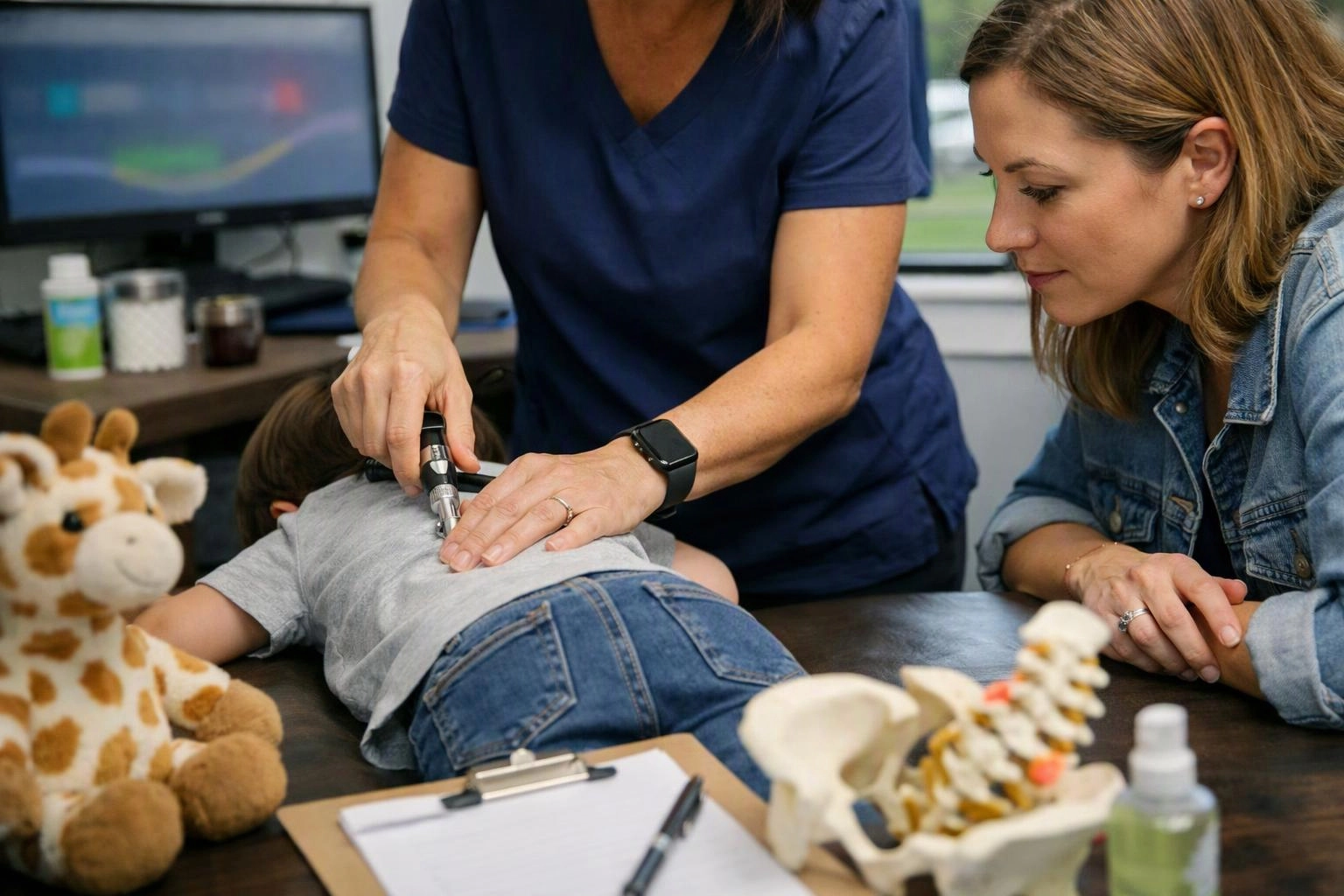
Pediatric chiropractic care is a child-focused approach to evaluating and addressing musculoskeletal concerns with techniques selected for the child’s age, size, development, and presentation.
Children’s chiropractic care may consider spinal health, posture, movement, and the broader musculoskeletal system. We review the child’s concerns with a parent or guardian and explain how child development shapes the evaluation.
Is Chiropractic Care Safe for Children?
Yes, pediatric chiropractic care requires an individualized safety assessment before any technique is considered, and we refer concerns outside chiropractic care when appropriate.
Our safety screening includes the child’s health history and an appropriate physical examination. We look for red flags, discuss the findings with parents and guardians, and obtain informed parental consent before care is considered.
Referral is part of responsible care when the child’s history or clinical findings call for broader medical assessment. Our team explains the reason for referral and supports clear communication with the child’s medical care team.
How Pediatric Chiropractic Care Differs From Adult Care
Pediatric chiropractic care differs from adult care through development-aware assessment, child-appropriate communication, and technique selection based on the child rather than an adult treatment model.
Parent involvement also shapes the visit. We listen to the child while keeping parents informed about the examination, care discussion, and follow-up plan.
| Area | Pediatric chiropractic care | Adult chiropractic care |
|---|---|---|
| Assessment | Includes child development, health history, and age-appropriate findings. | Centers on the adult’s history, function, and clinical presentation. |
| Communication | Uses child-friendly explanations with active parent involvement. | Uses direct discussion with the adult receiving care. |
| Technique selection | Reflects the child’s size, development, comfort, and findings. | Reflects the adult’s body, goals, comfort, and findings. |
What Techniques May Be Considered for Children?
Pediatric chiropractic techniques may include gentle manual or low-force approaches selected after we consider the child’s age, development, comfort, and clinical findings.
Gentle chiropractic techniques may involve manual care, low-force techniques, or soft-tissue care. We may also assess range of motion, posture, and movement before deciding whether any technique fits the child.
Technique selection is not based on an adult treatment model. Our team explains the purpose of any recommended approach and stops to reassess if the child is uncomfortable.
When Should Pediatric Chiropractic Care Be Coordinated With Pediatric Medical Care?
Pediatric chiropractic care should be coordinated with pediatric medical care when a child has symptoms, history, or examination findings that require broader medical assessment.
Our team uses the child’s history and examination findings to determine when communication or referral supports safer care.
How Chiropractic and Pediatric Medical Care Can Work Together
Chiropractic and pediatric medical care can work together through coordinated assessment, appropriate referrals, and a plan that reflects the child’s needs; the cost of care depends on the services involved and the child’s evaluation requirements.
Care coordination helps each clinician understand the shared health history, treatment goals, and changes that should be monitored. We can explain which parts of the assessment are within our scope and when a referral pathway is needed.
What Happens at a Pediatric Chiropractic Appointment?
A pediatric chiropractic appointment begins with our team listening to the parent’s concerns, reviewing the child’s history, completing an appropriate examination, and explaining the next step.
Parents can stay involved throughout the visit. We keep the child’s comfort, communication needs, and developmental considerations in mind as we move through the consultation.
Questions Parents Should Ask a Pediatric Chiropractor
Parents should ask how we evaluate the child, why a technique is being considered, what changes should be monitored, and when medical coordination or referral is appropriate.
Clear questions help parents understand the treatment goals and make informed decisions about age-appropriate care.
How We Approach Pediatric Chiropractic Care
Arrowhead Clinic Chiropractor Garden City approaches pediatric chiropractic care by reviewing the child’s history, explaining findings to the parent, and selecting care based on the child’s individual presentation.
Our team uses child-focused evaluation, parent communication, and development-aware decision-making. We consider comfort throughout the visit and coordinate with pediatric medical care when the child’s needs extend beyond chiropractic care.
For more information about our approach, contact us through the Pediatric Chiropractic Care service page.
Questions About Pediatric Chiropractic Care
What age can a child receive chiropractic care?
Children may be considered for chiropractic care when an individualized evaluation shows that child-focused care is appropriate. Arrowhead Clinic Chiropractor Garden City reviews the child’s development, health history, comfort, and clinical findings before discussing any technique with the parent or guardian.
Do parents stay with their child during a pediatric chiropractic appointment?
Parents and guardians can remain involved during a pediatric chiropractic appointment. Parent involvement supports communication, informed consent, and a clear understanding of the examination and care discussion.
What should a child wear to a chiropractic appointment?
A child should wear comfortable clothing that allows our team to observe posture and movement. Clothing that permits easy movement can support the physical examination and movement assessment.
When should a child be referred to a pediatric medical clinician?
A child should be referred to a pediatric medical clinician when symptoms, health history, red flags, or examination findings require broader medical assessment. We explain the referral reason and support care coordination when it is appropriate.
Contact Arrowhead Clinic Chiropractor Garden City to discuss your child’s concerns, evaluation needs, and appropriate next steps.