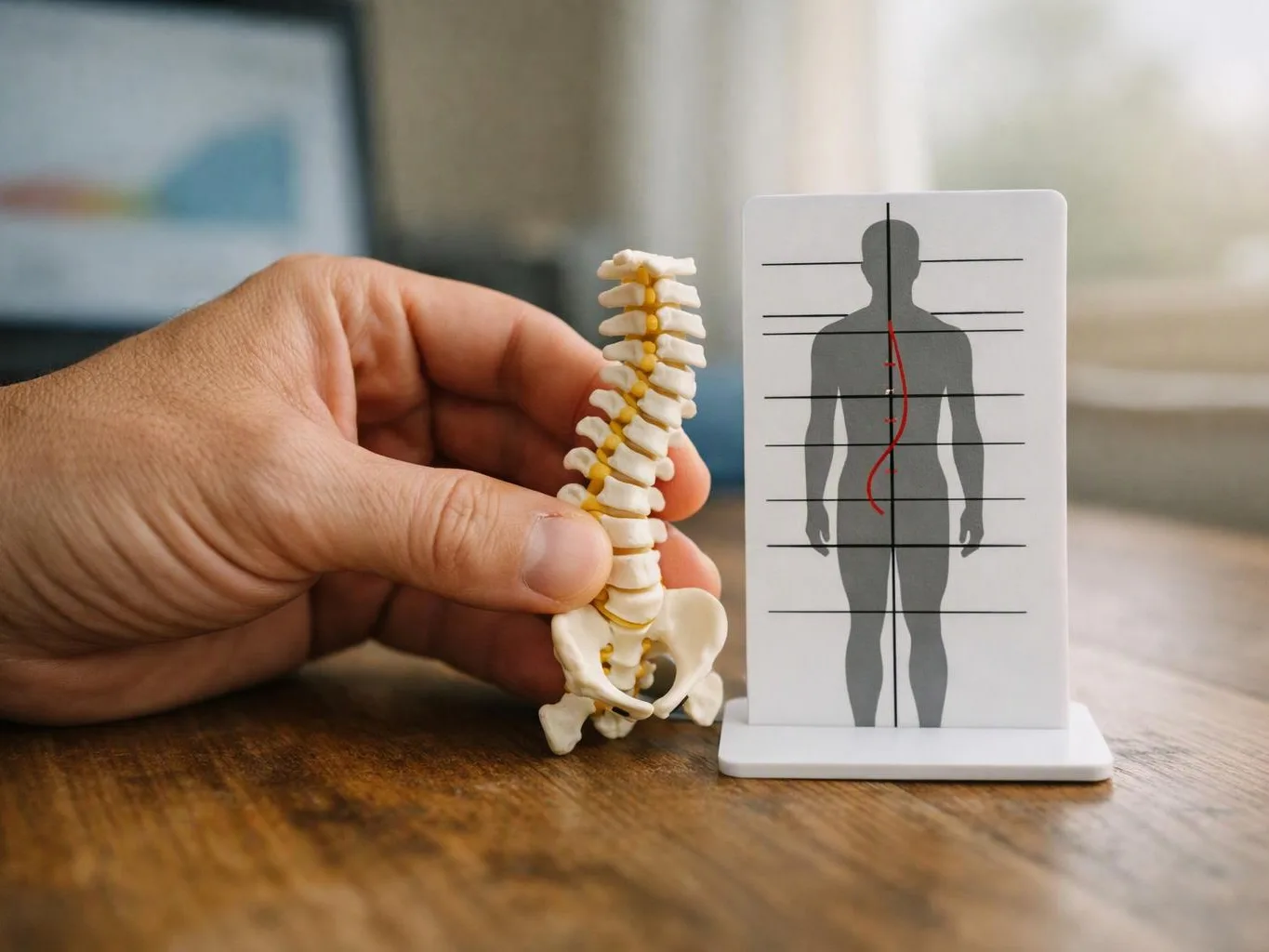
A Checklist for Scoliosis Concerns and an Evaluation
Scoliosis signs can include uneven shoulders or hips, changes in posture, and back discomfort. Arrowhead Clinic Chiropractor Garden City uses an evaluation checklist to review concerns, movement, posture, and the need for further care.
Written by Dr. NiAmber Harris
Request an EstimateWhat Signs Can Point to a Scoliosis Concern?
Possible scoliosis signs include uneven shoulders or hips, a visible spinal curve, changes in posture, and back discomfort, but an evaluation is needed to understand the cause.
Scoliosis is a spinal condition that can change the shape or alignment of the spine. One shoulder or hip may sit higher than the other, and clothing may appear to hang unevenly.
Back pain can occur with scoliosis, but pain alone doesn't confirm a curved spine. Poor posture, muscle imbalance, or another musculoskeletal condition can create similar signs.
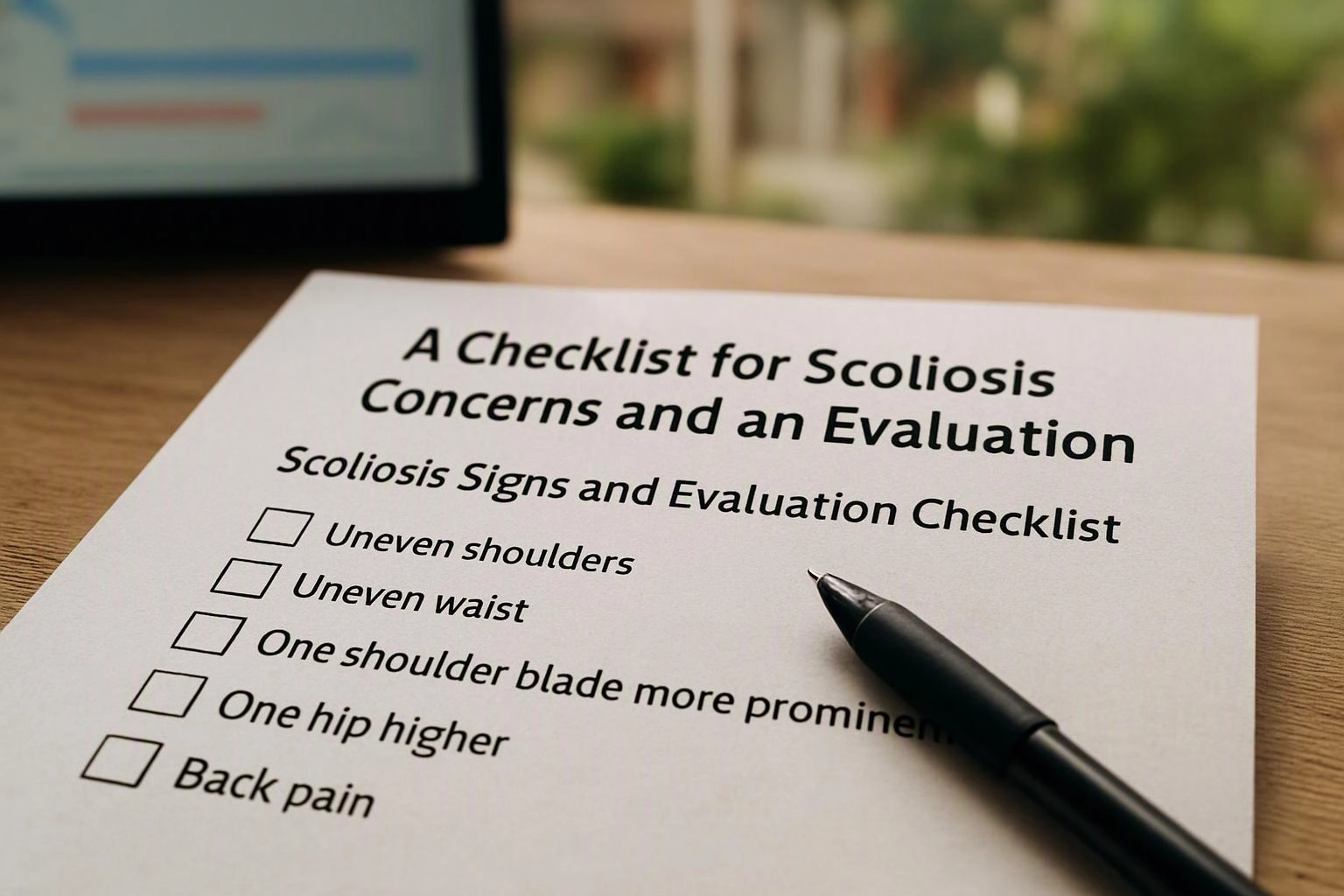
When Should You Seek an Evaluation?
You should seek a scoliosis evaluation when posture changes, uneven shoulders or hips, back discomfort, or movement changes persist or concern you.
A change in shoulder height or hip height deserves attention when it remains visible during normal standing. Movement that feels limited, uneven, or painful also gives useful information.
We review the pattern and history of your symptoms before discussing next steps. Our Scoliosis Treatment information explains how evaluation findings can guide care.
Red Flags That Need Prompt Medical Attention
Some symptoms need prompt medical attention because they may signal a serious problem beyond a routine posture concern.
We don't use a checklist to delay urgent care. Seek prompt medical attention for these warning signs, then share the records with our team when appropriate.
What to Check Before a Scoliosis Evaluation
Before a scoliosis evaluation, collect details about symptoms, posture, movement, family history, and past care.
Before the visit
Simple notes can help us see patterns that are easy to forget during an appointment. Photos taken during normal posture may also help you describe a change, but they don't replace a physical examination.
What Happens During a Scoliosis Evaluation?
A scoliosis evaluation reviews health history, posture, spinal alignment, movement, and symptoms to decide what the findings may mean.
We begin with your medical history and symptom review. We ask about pain, daily activities, family history, and changes you have noticed.
Our physical examination may include a posture assessment, range of motion testing, and a movement assessment. These findings help us understand whether the pattern may relate to a structural spinal curve, a functional spinal curve, or another cause.
We explain what we find and discuss whether follow-up care, further testing, or a medical referral fits your needs.
What the Evaluation May Examine
A scoliosis evaluation examines posture, alignment, movement, symptoms, and whether imaging referral may be appropriate.
| Area reviewed | What it can show |
|---|---|
| Posture | Changes in standing position and overall balance. |
| Shoulder alignment | Differences in shoulder height or position. |
| Hip alignment | Differences in hip height or pelvic balance. |
| Spinal curve | Visible or measurable changes in spinal alignment. |
| Range of motion | How comfortably the spine and nearby joints move. |
| Neurological symptoms | Symptoms such as weakness, numbness, or changes in control. |
| Imaging referral | Whether additional imaging may help clarify the finding. |
These areas work together, so one observation doesn't establish a diagnosis. We connect the examination findings with your symptoms and medical history.
What to Bring and Ask During the Evaluation
Bring your symptom timeline, past records, current medicines, and questions for the care team.
During the visit
Clear details help us compare your current concerns with earlier findings. Ask what each finding means and which next step supports your goals.
What to Do After the Evaluation
After the evaluation, review the findings, follow the care recommendations, and monitor changes in your symptoms.
After the visit
Our team can help you understand how evaluation findings shape the next step. Keep your notes so future visits can track changes clearly.
Author: Dr. NiAmber Harris
How Scoliosis Treatment Decisions Are Made
Scoliosis treatment decisions depend on symptoms, age, growth status, curve characteristics, and functional limits.
A mild posture change with no symptoms may need a different plan from a painful or progressing spinal curve. Adolescent idiopathic scoliosis and adult scoliosis can also require different care discussions.
We consider how the findings affect walking, work, exercise, sleep, and daily tasks. When medical review is needed, we explain the reason for a referral and help connect the findings to the next step.
How Arrowhead Clinic Chiropractor Garden City Uses Your Checklist to Plan Next Steps
Arrowhead Clinic Chiropractor Garden City uses your scoliosis evaluation checklist to connect patient concerns with posture and movement findings.
We review the history you bring, compare it with our examination, and explain what the findings may mean. Our approach keeps scoliosis treatment focused on your symptoms, function, and appropriate next steps.
Contact Arrowhead Clinic Chiropractor Garden City to discuss your concerns and request an evaluation. Contact our team.
Questions About Scoliosis Concerns and Evaluations
Can scoliosis cause back pain?
Yes, scoliosis can be associated with back pain, muscle fatigue, or back discomfort. Pain can also come from other causes, so an evaluation helps identify the pattern.
Can scoliosis develop in adults?
Yes, scoliosis can be present in adulthood or become noticeable as adult symptoms and posture change. Adult back pain or movement limits still need a complete evaluation.
Can poor posture look like scoliosis?
Yes, poor posture can make the shoulders, hips, or spine look uneven. A physical examination helps separate a temporary posture pattern from a structural spinal curve.
What kind of imaging may be used to evaluate scoliosis?
Imaging may be recommended when examination findings need more detail about the spine or spinal curve. We discuss an imaging referral when the findings and symptoms support further review.
Should children be evaluated for uneven shoulders?
Yes, children with persistent uneven shoulders, uneven hips, posture changes, or movement concerns should be evaluated. Early review helps clarify whether the finding relates to posture, growth, or a spinal condition.